
If you’ve never been on safari, it’s hard to picture the rhythm of the day. It is not a zoo experience. It is not sitting in a vehicle all day. And it is certainly not roughing it in the way many first-timers imagine.
A luxury African safari is structured, intentional, and surprisingly restorative. The days follow the natural rhythm of the wildlife — early mornings and late afternoons — with long, restorative breaks in between. By the second day, your body adjusts. By the third, you never want it to end.
Here is exactly what a typical day on safari looks like, whether you’re in the Sabi Sand in South Africa, the Okavango Delta in Botswana, or the Maasai Mara in Kenya.
5:00 AM – Wake-Up Call in the Bush
Safari mornings start early — usually between 4:30 and 5:30 AM, depending on the season. Wildlife is most active at dawn, and this is when you’ll see predators returning from a hunt or beginning to stir.
A staff member gently wakes you with coffee, tea, or hot chocolate delivered to your tent or suite. There is often a small pastry or biscuit alongside it. You will not be stumbling into the bush half awake — the lodges know how to ease you into the day.
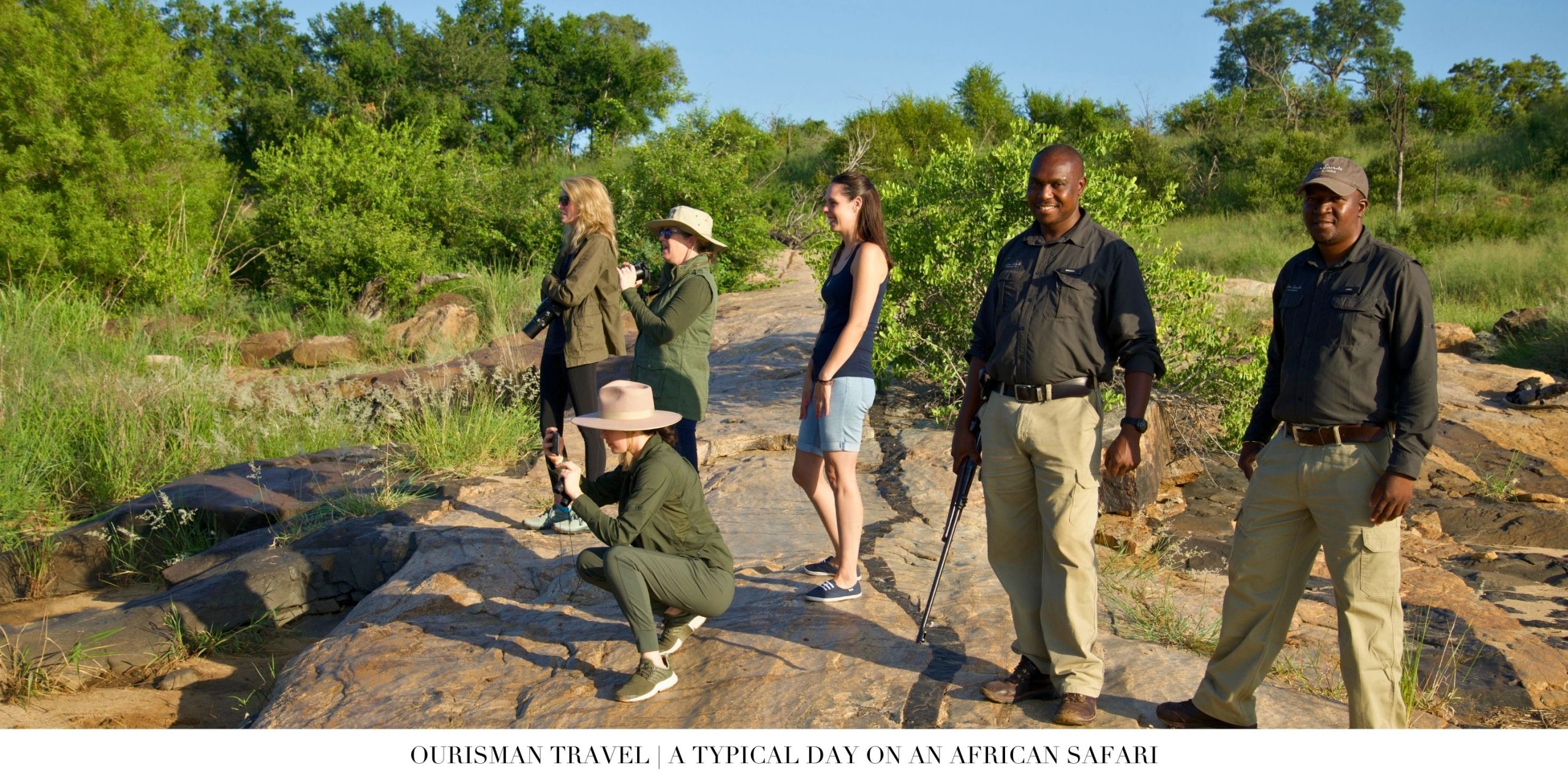
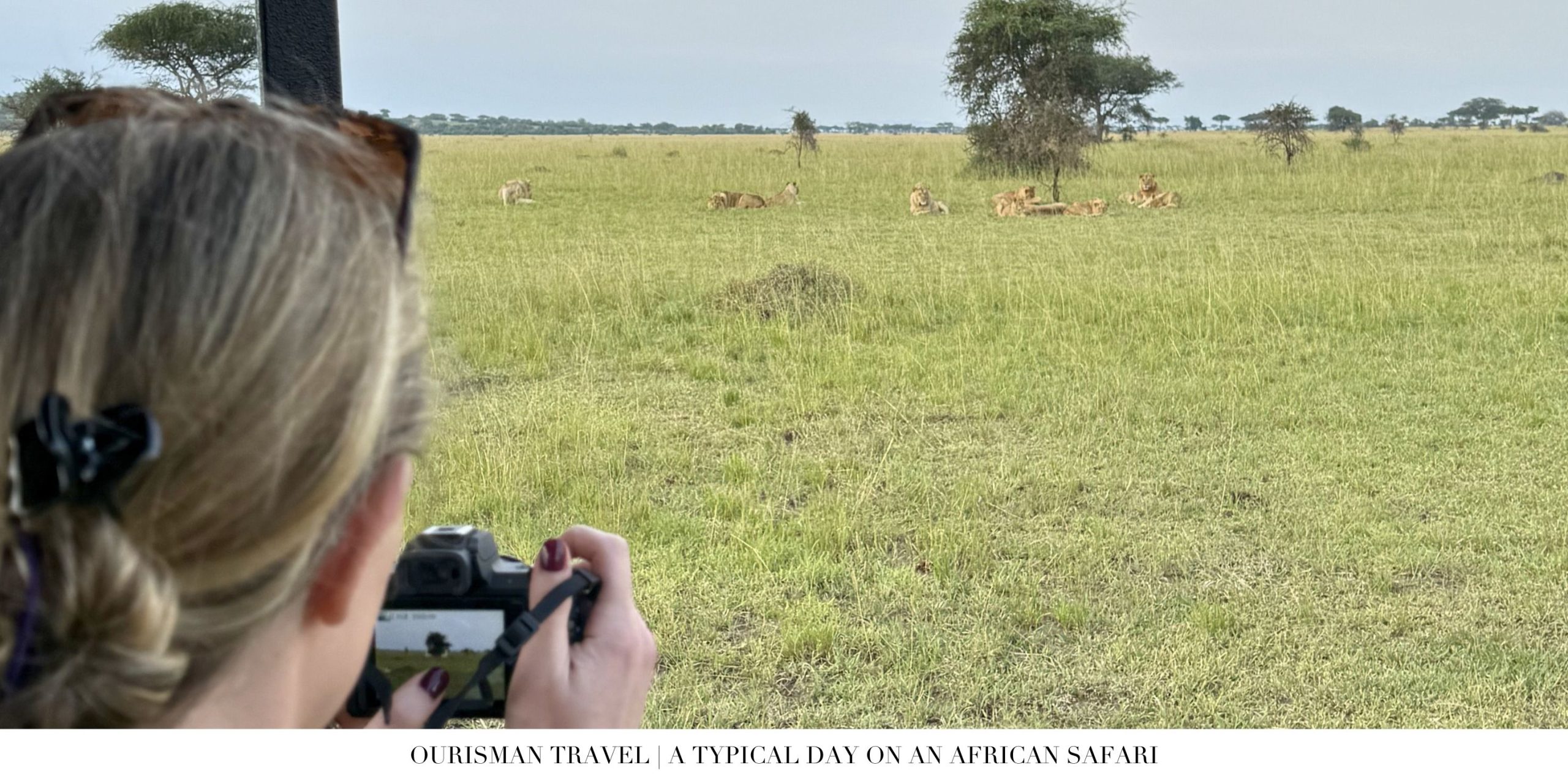
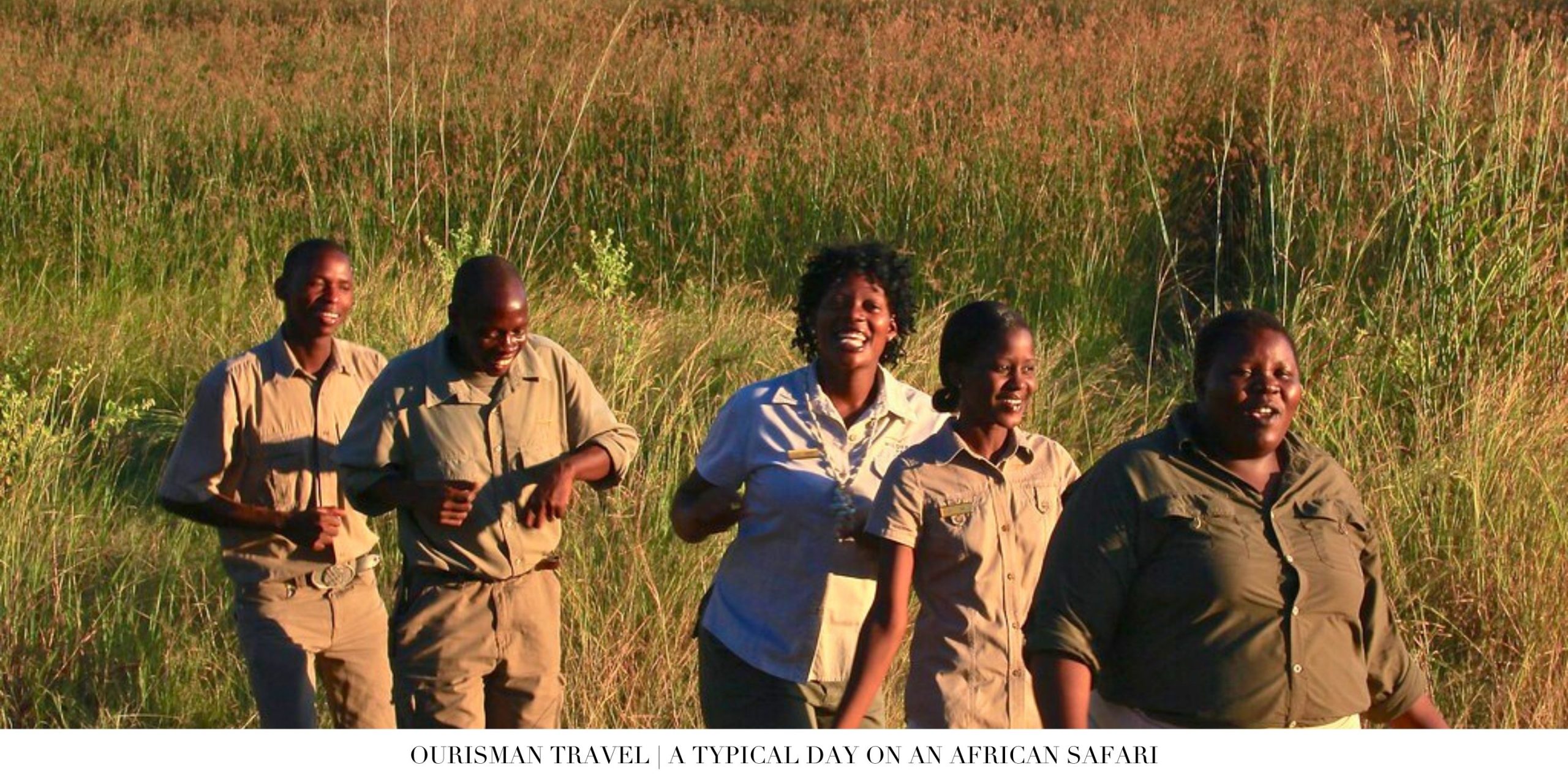
You layer up (mornings can be surprisingly cold, even in Africa), grab your camera, and meet your guide and tracker. In Southern Africa, many private reserves include both — a highly trained guide behind the wheel and a tracker on the front seat scanning for movement.
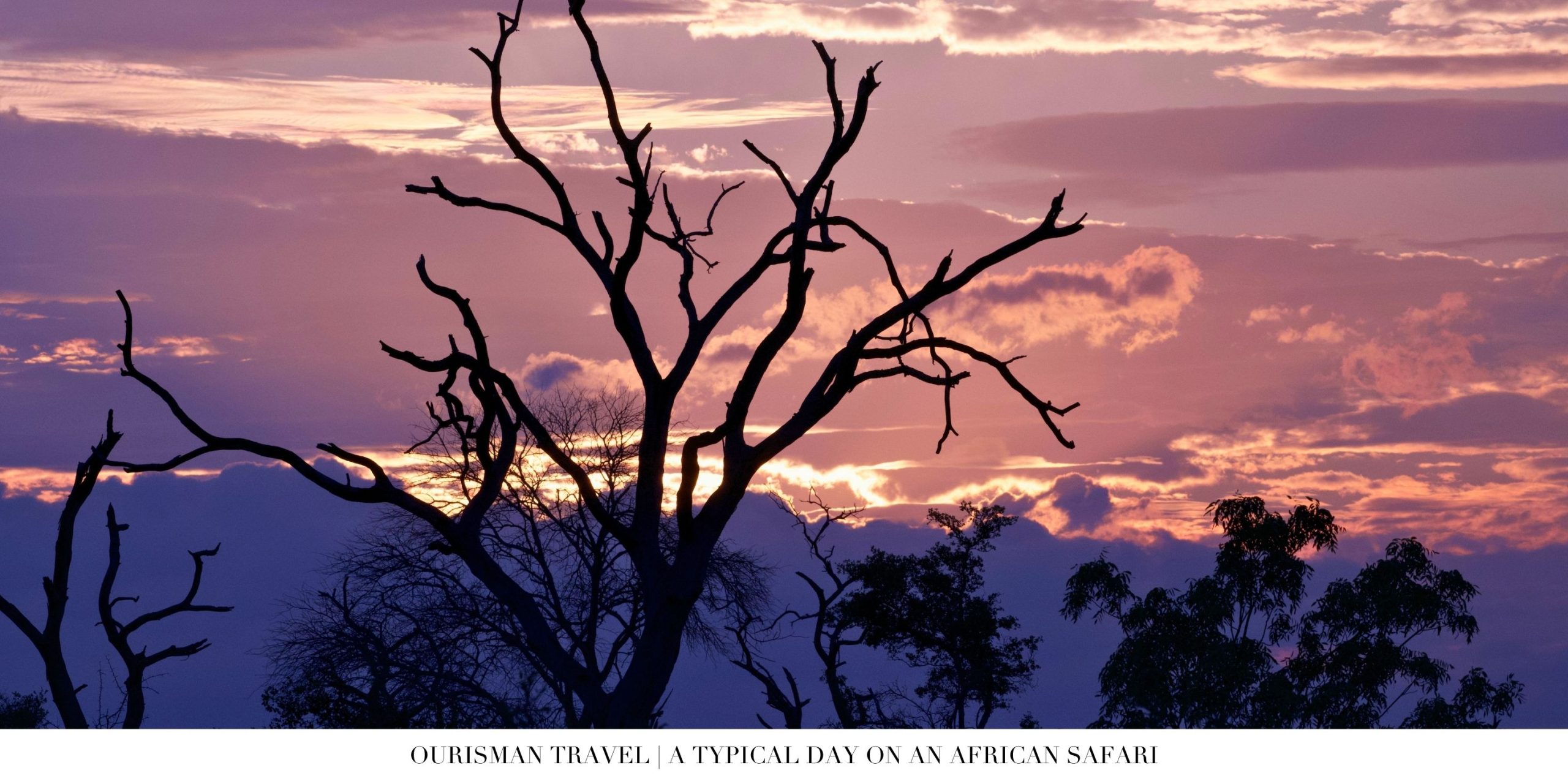
Within minutes, you’re out in the wilderness as the sky shifts from deep indigo to pink and gold.
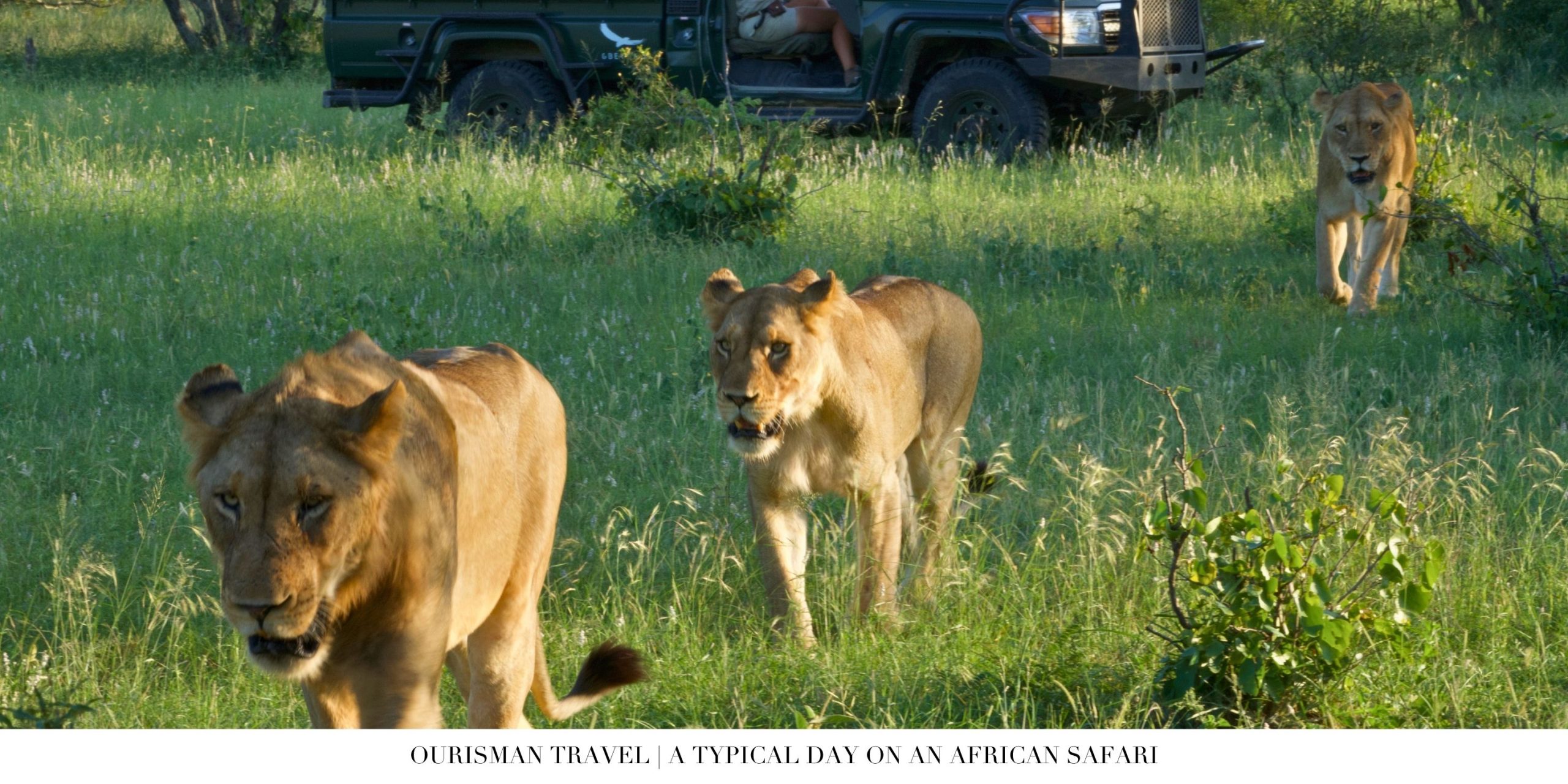
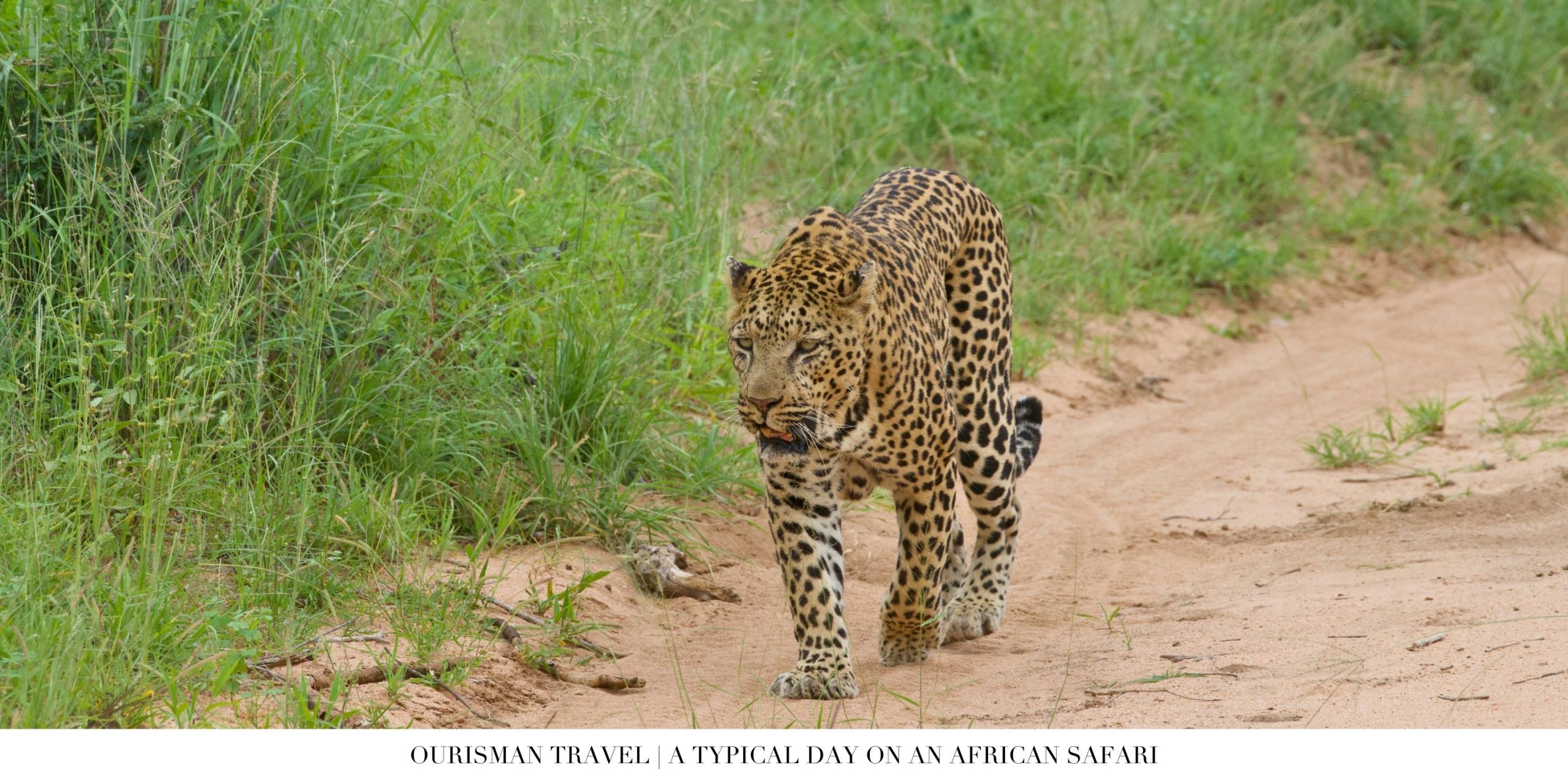
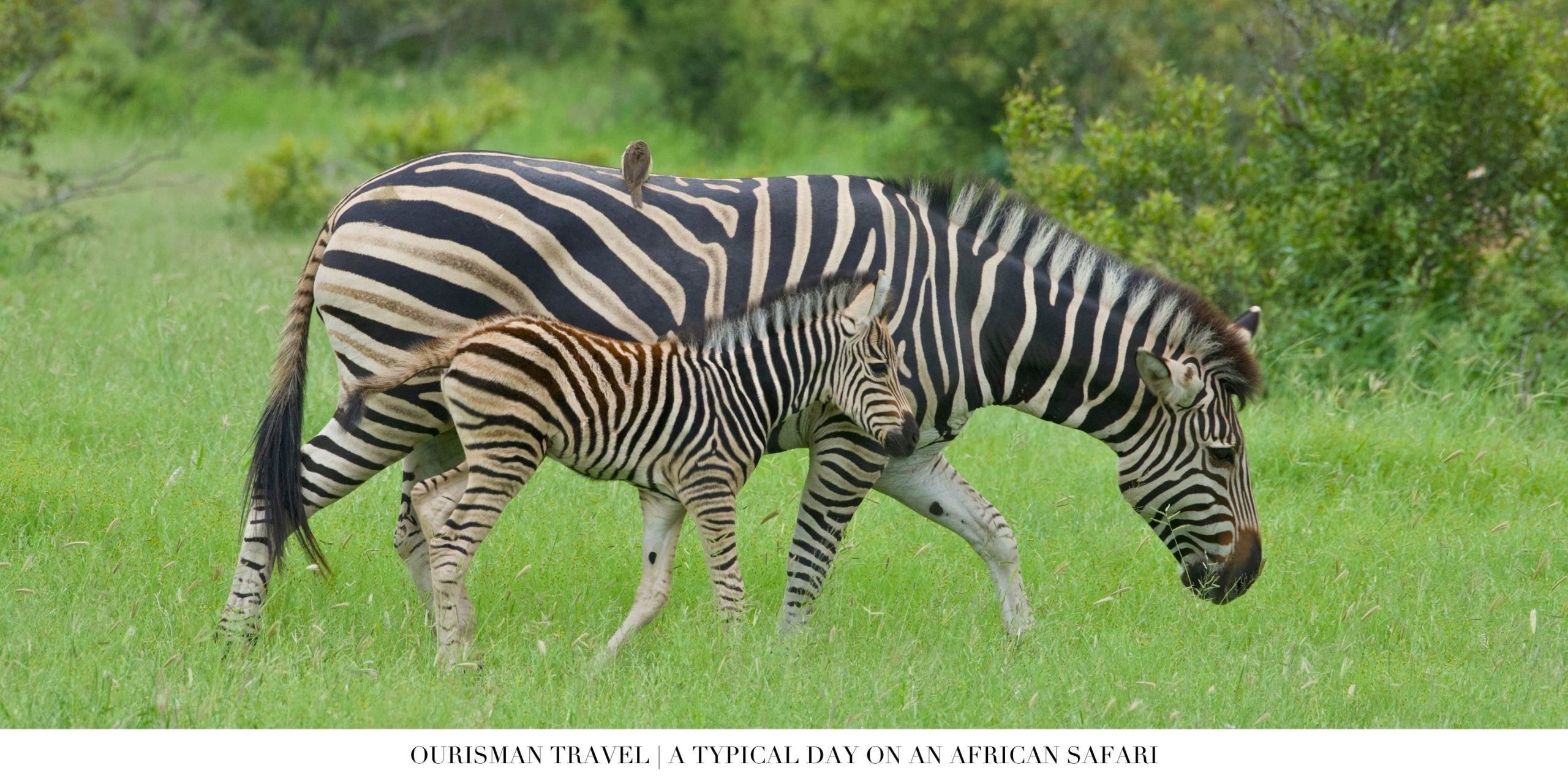
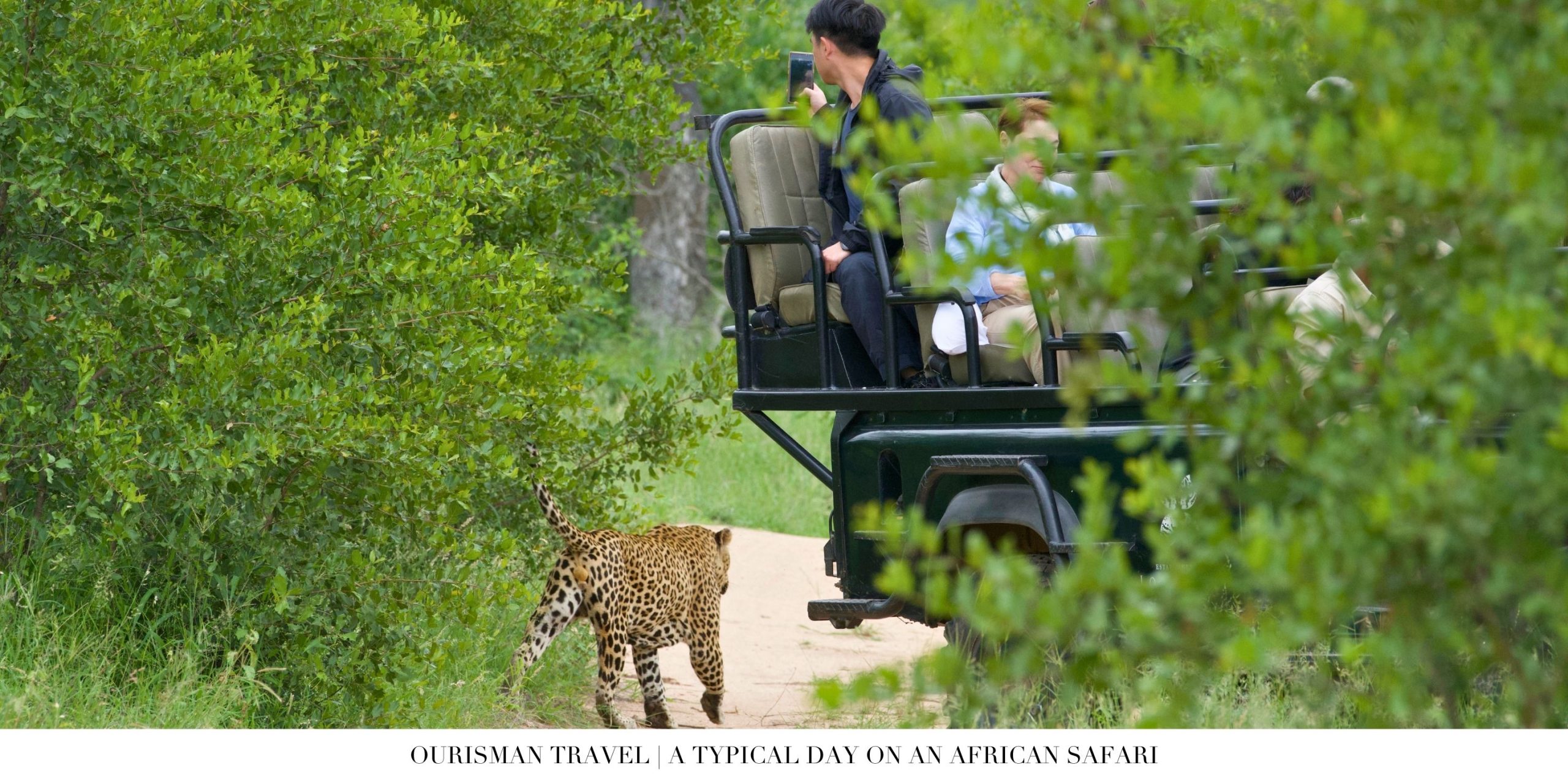
6:00–9:30 AM – Morning Game Drive
This is prime wildlife viewing time.
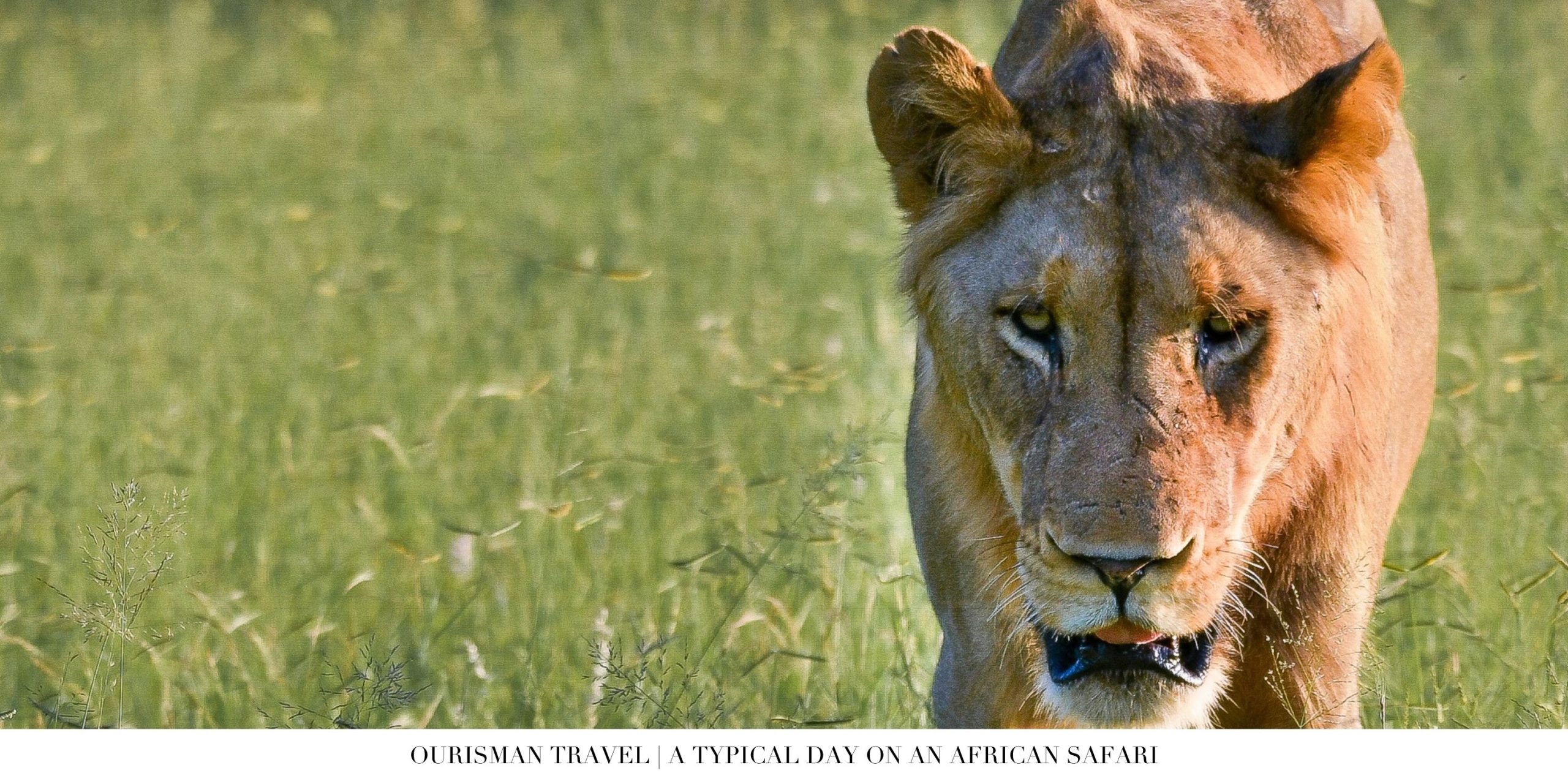
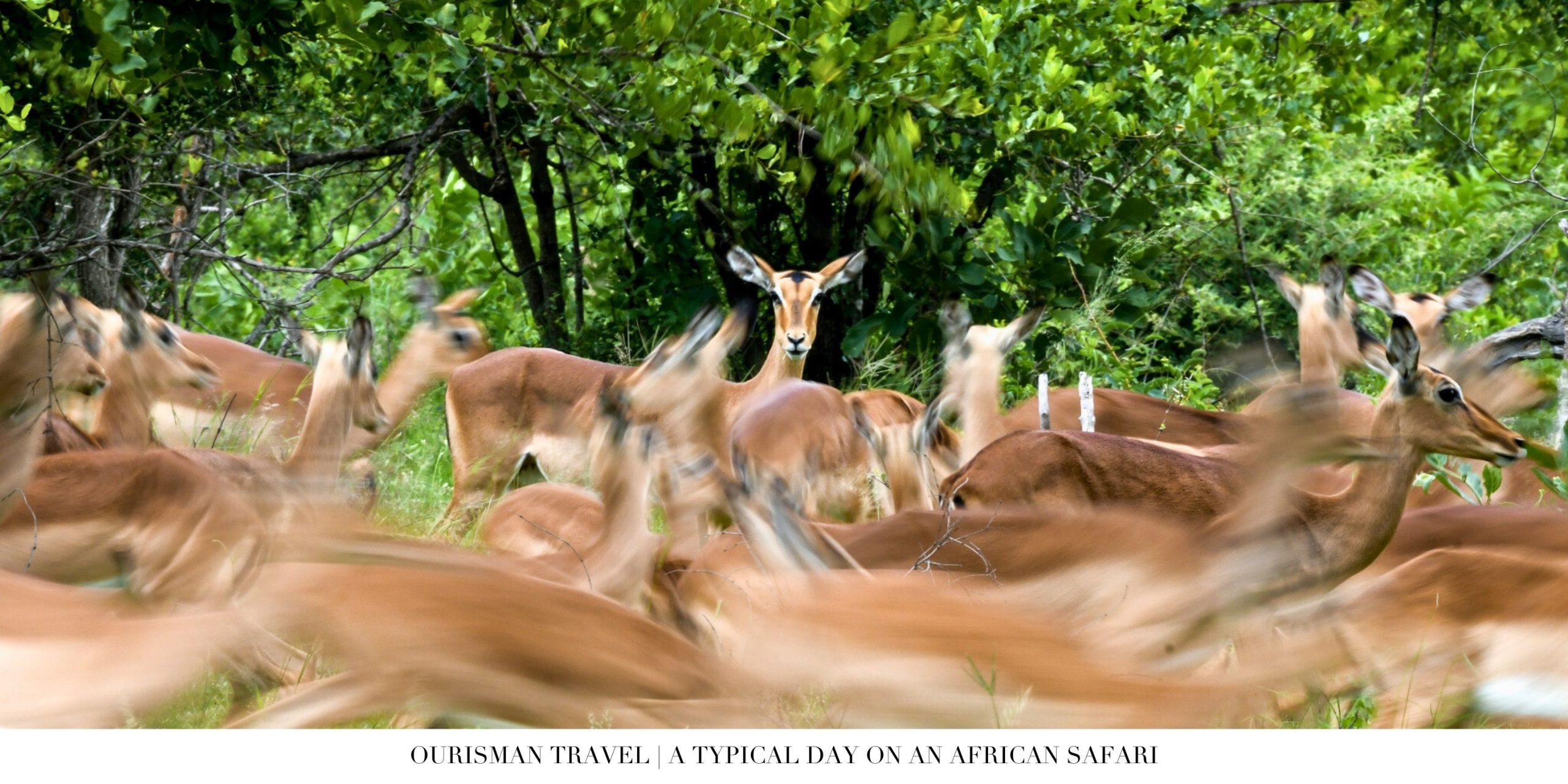
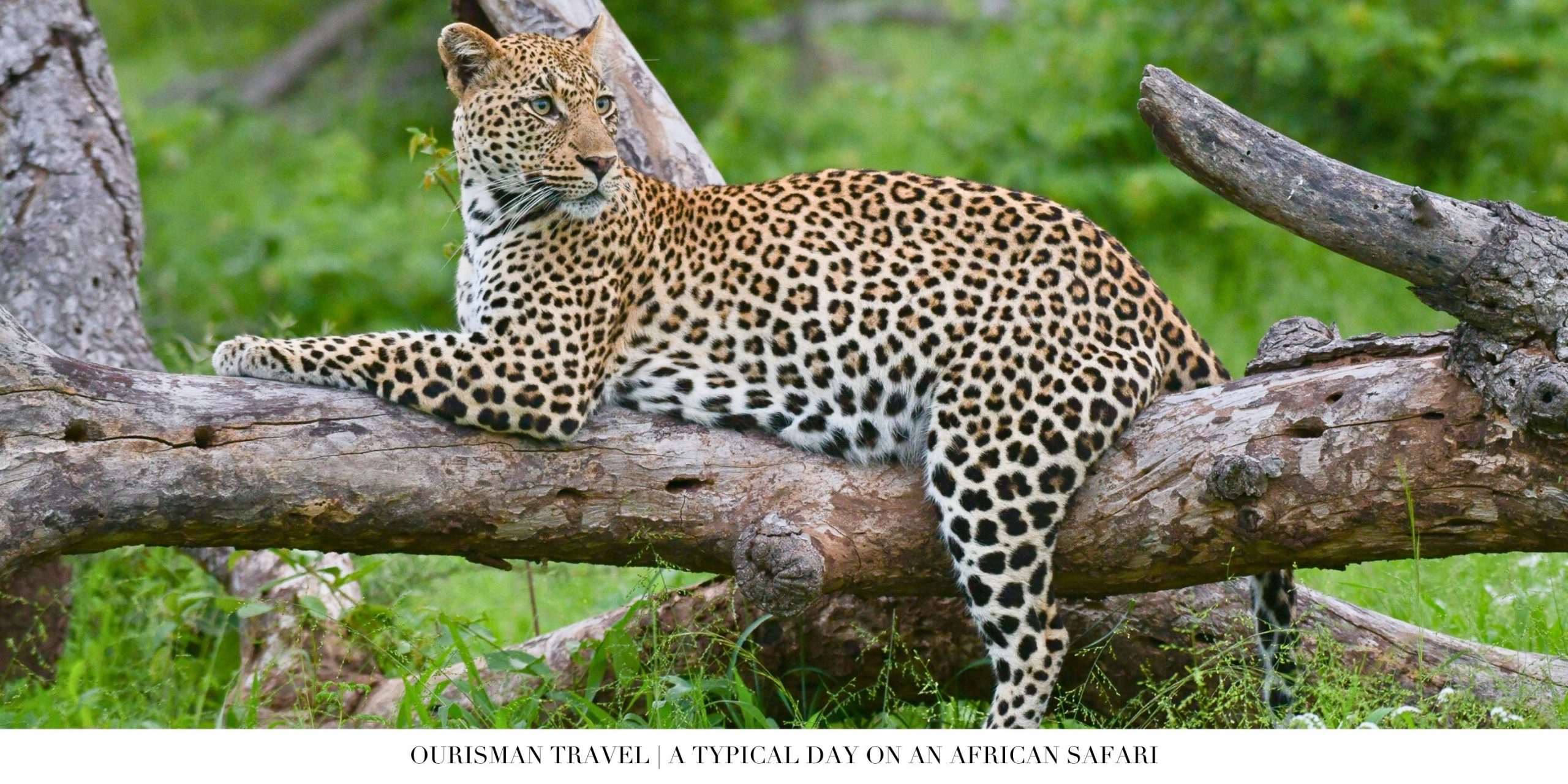
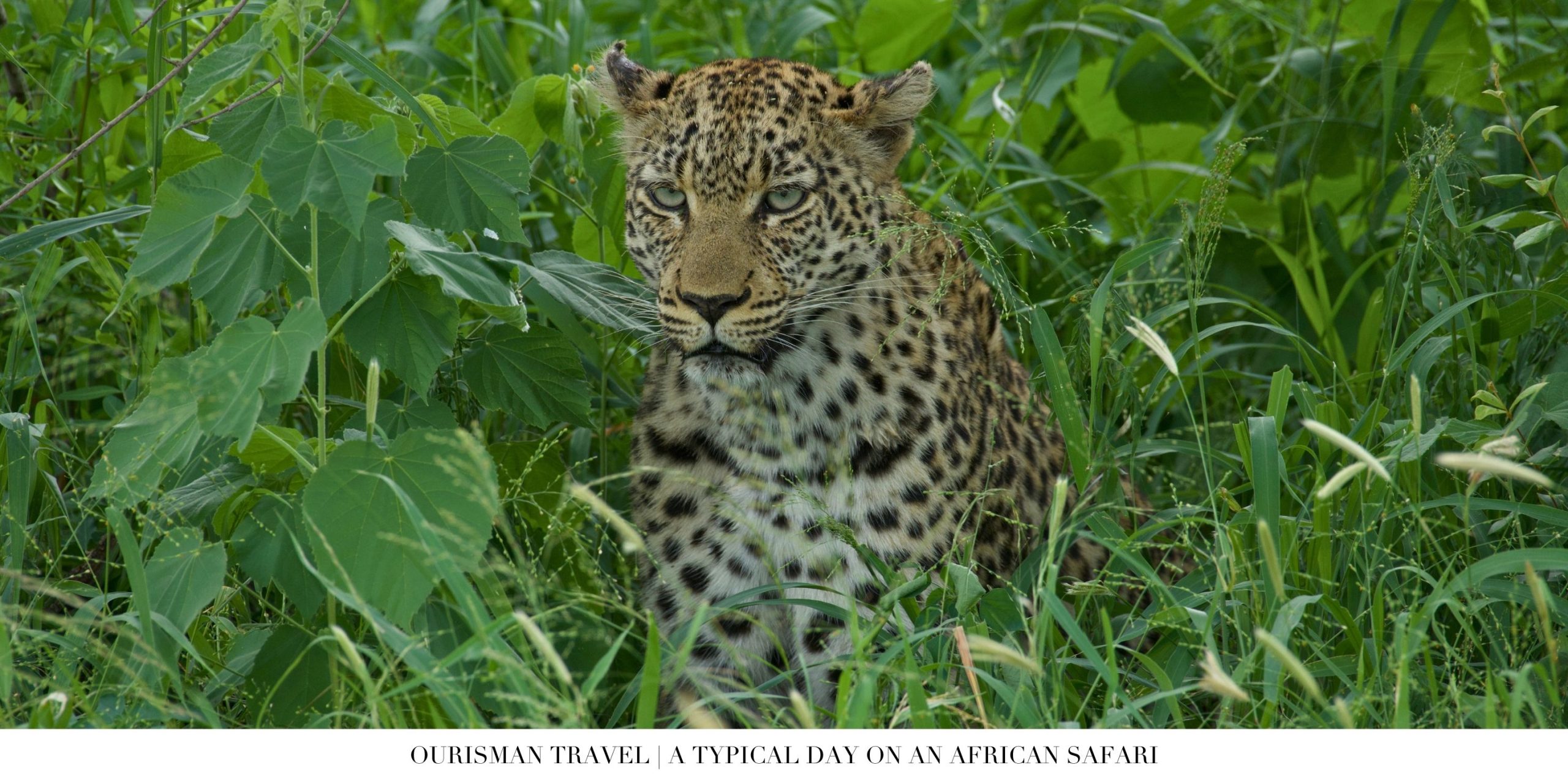
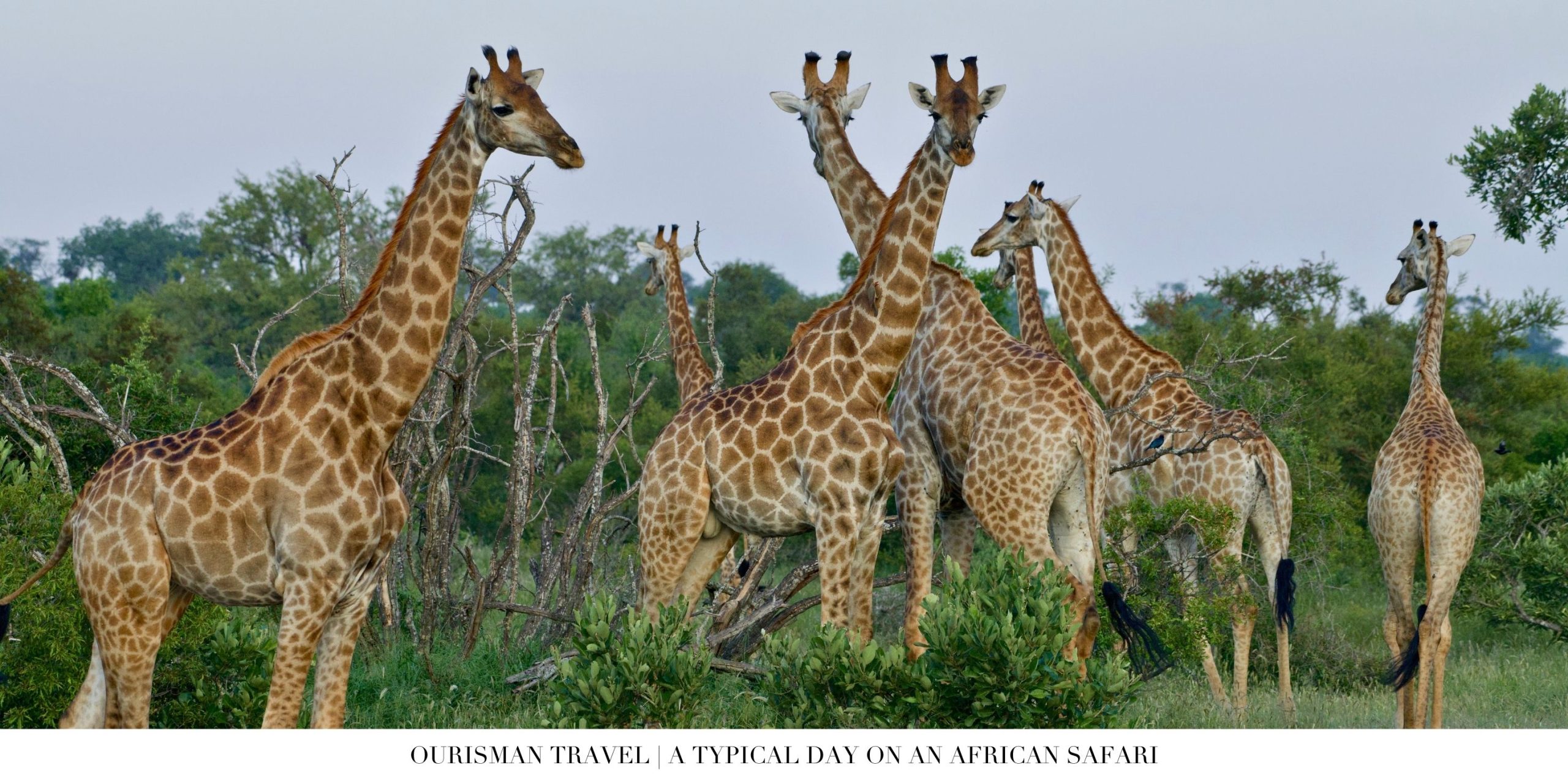
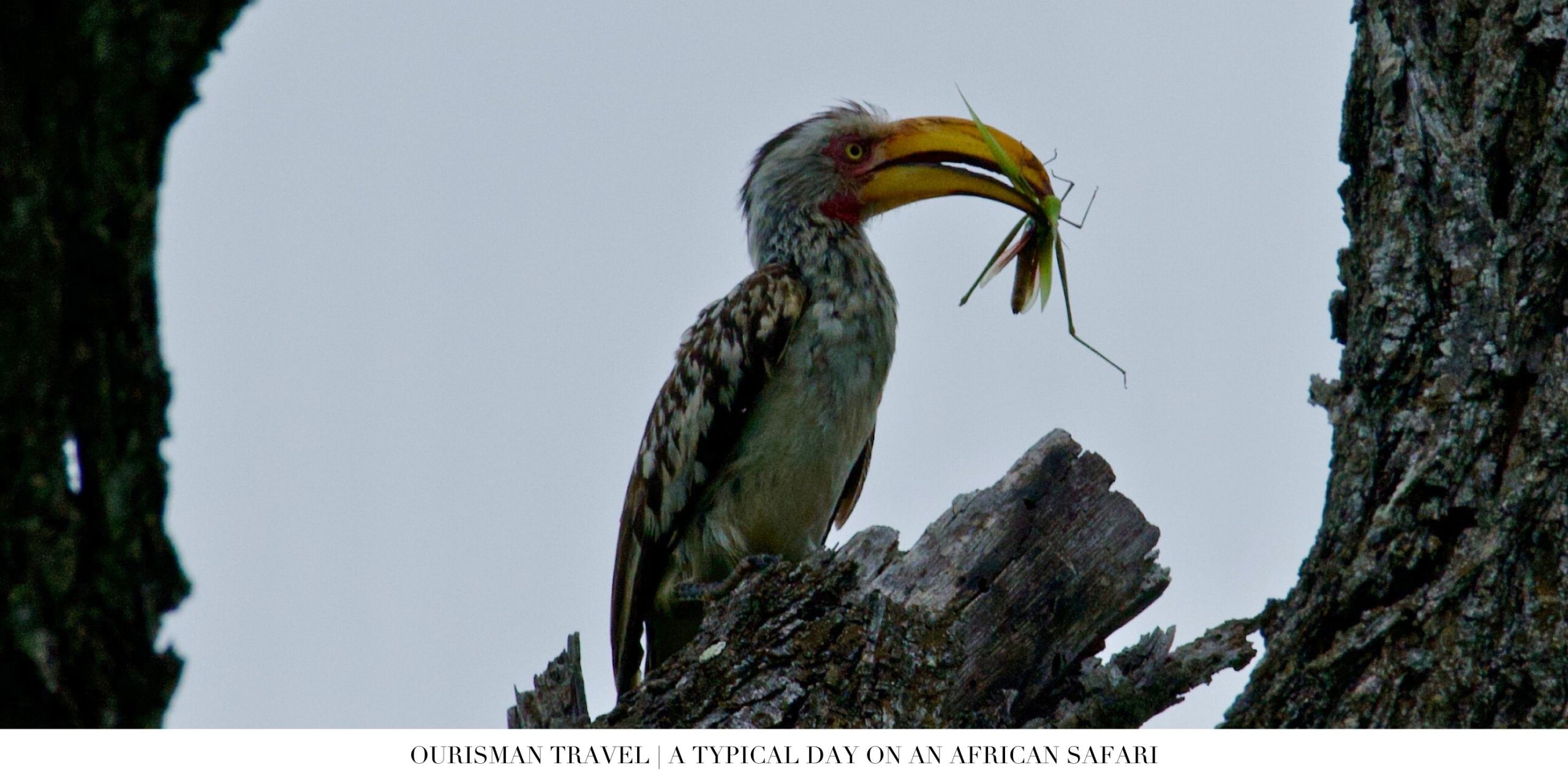
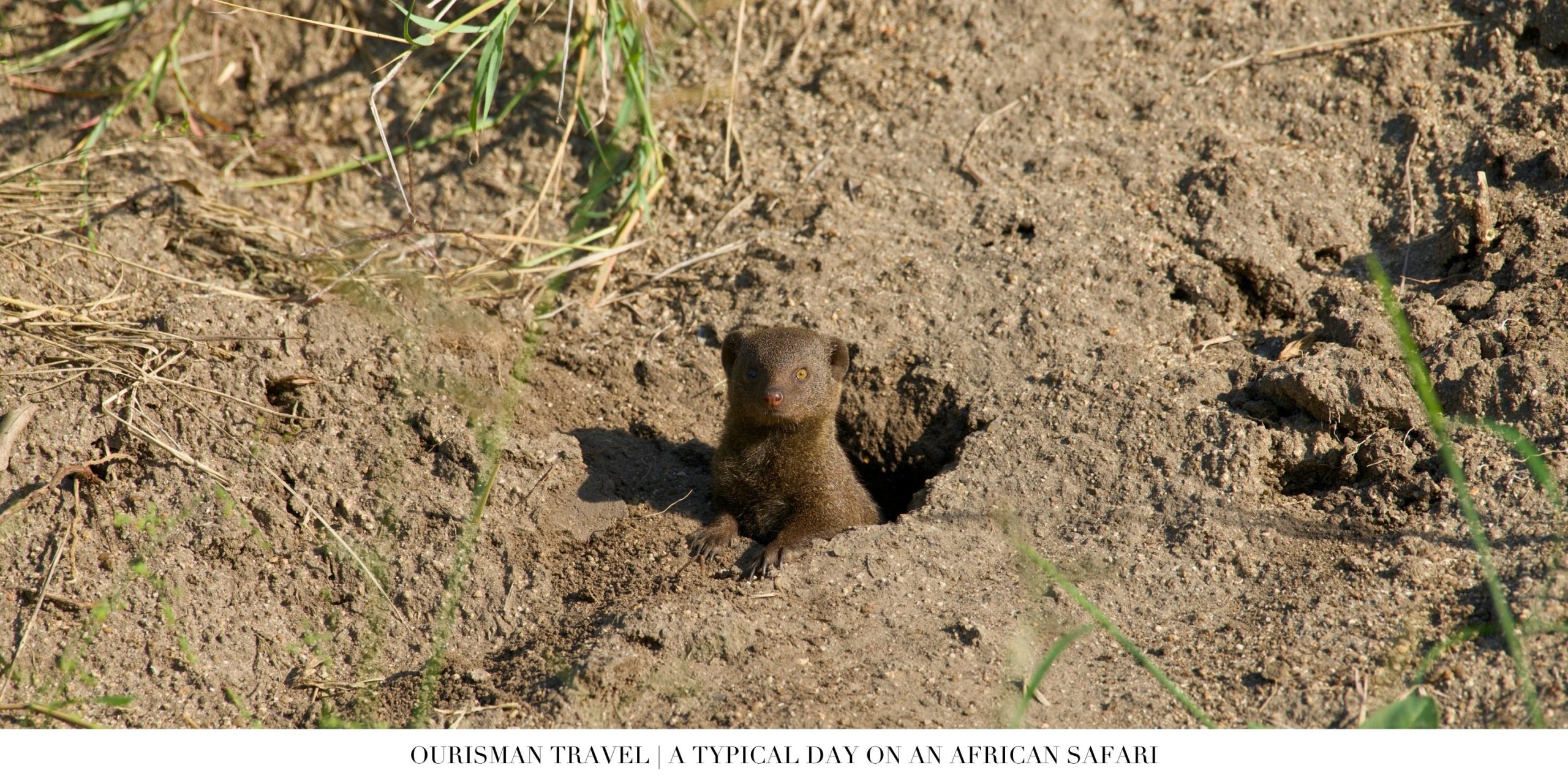
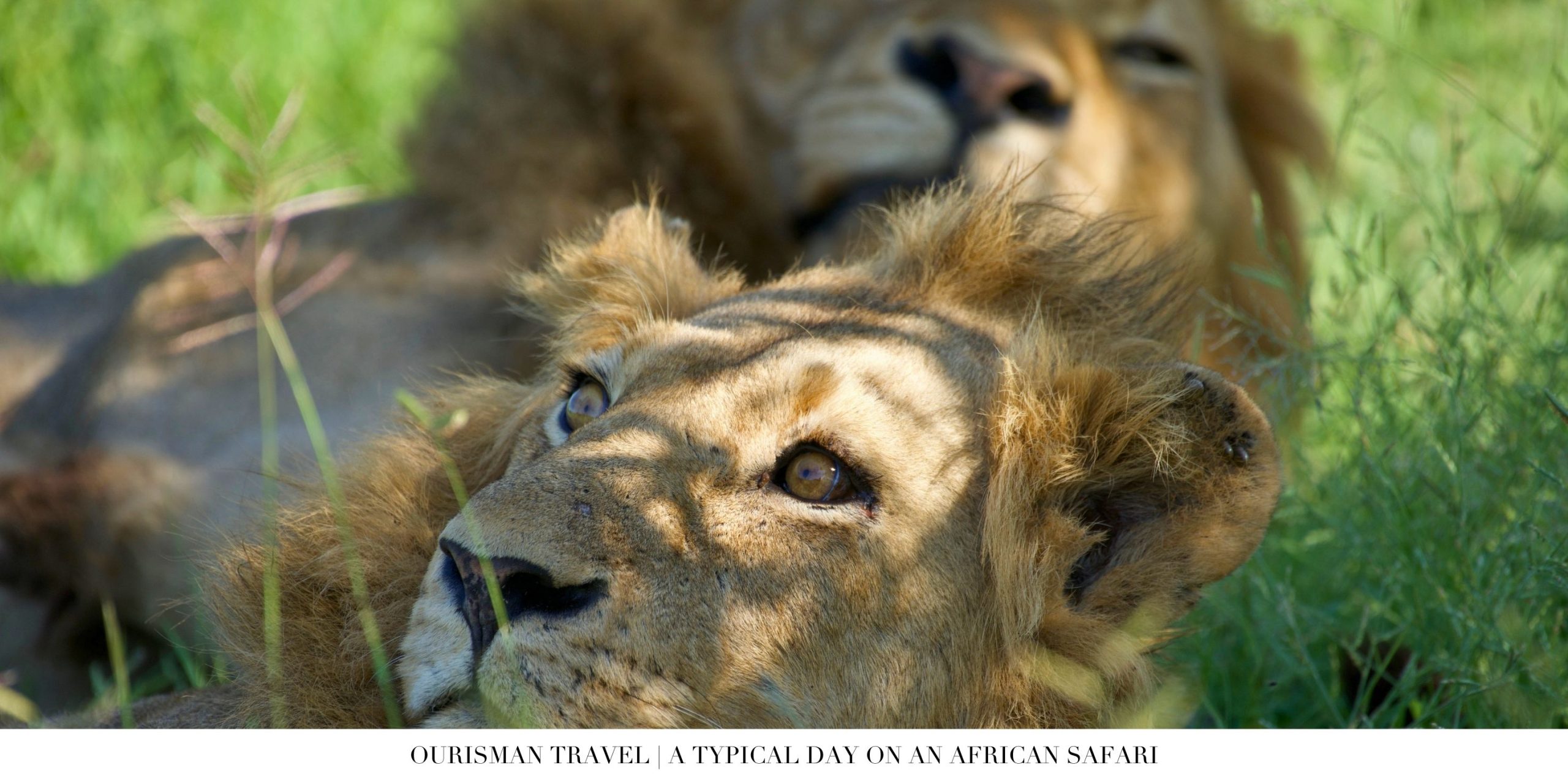
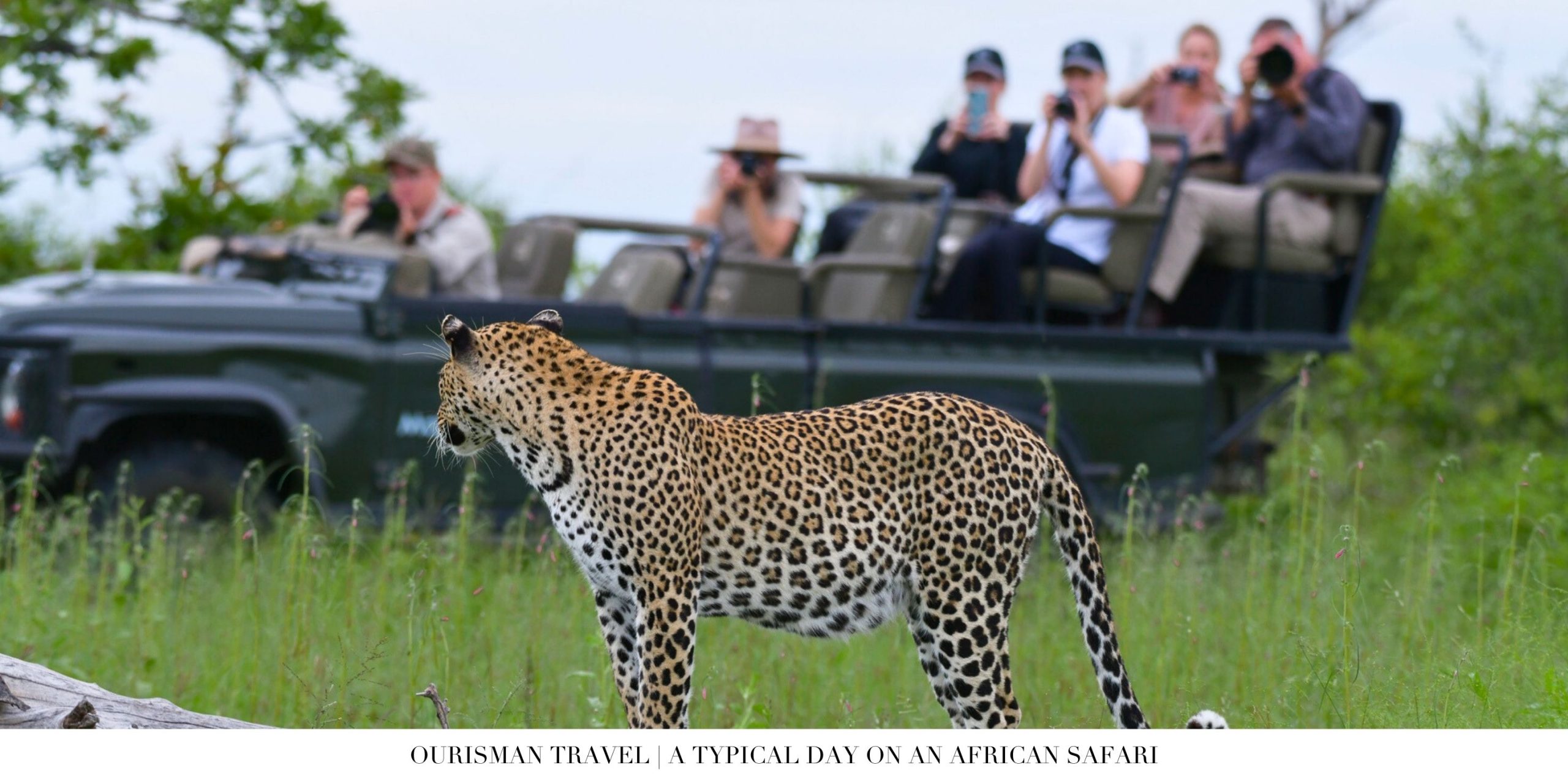
What you see depends entirely on your location and season. In South Africa’s Sabi Sand, leopard sightings are frequent and intimate. In Botswana’s Okavango Delta, you may track wild dogs through floodplains. In Kenya’s Maasai Mara during migration season, herds of wildebeest stretch across the horizon.
The goal is not to “check off the Big Five.” The best guides interpret the ecosystem for you — reading tracks, explaining animal behavior, positioning the vehicle for ideal light and photography angles.
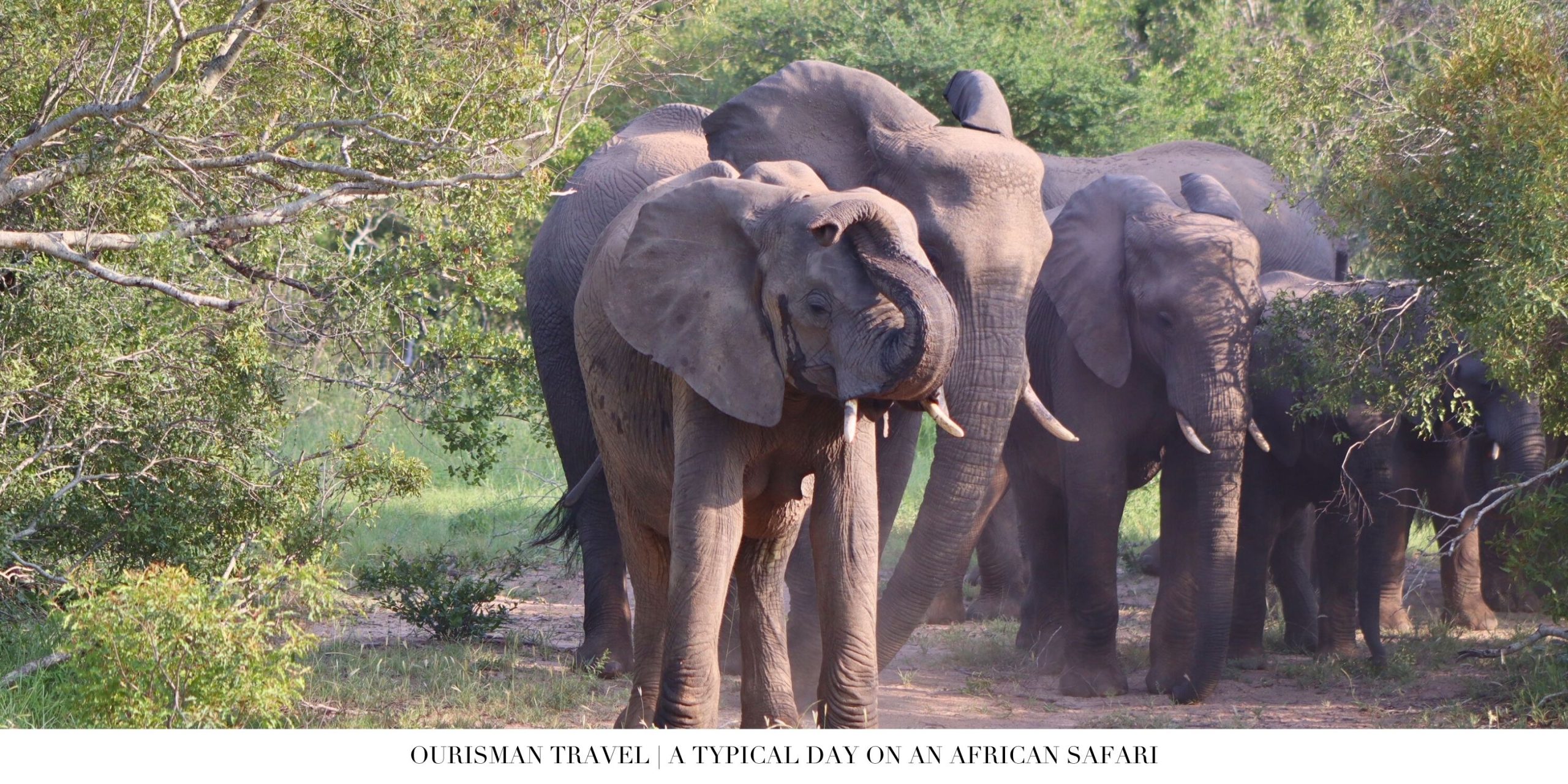
Midway through the drive, you stop for coffee in the bush. Your guide pulls out a thermos and a small folding table. There may be Amarula in your coffee. There are always homemade biscuits. Standing in the middle of nowhere, sipping something warm while elephants move in the distance, is one of those surreal safari moments people never forget.
10:00 AM – Brunch Back at Camp
Back at camp, you’re greeted with cool towels and juice. Then comes what many jokingly call “second breakfast.”
Expect a full brunch spread:
-
Eggs made to order
-
Fresh fruit and house-baked breads
-
Yogurt, granola, and cereals
-
Hot dishes reflecting local cuisine
Luxury safari lodges compete quietly on food quality. Some operate at a boutique Relais & Châteaux level. Others focus on hearty, comforting fare. Regardless of style, the hospitality standard is exceptionally high.
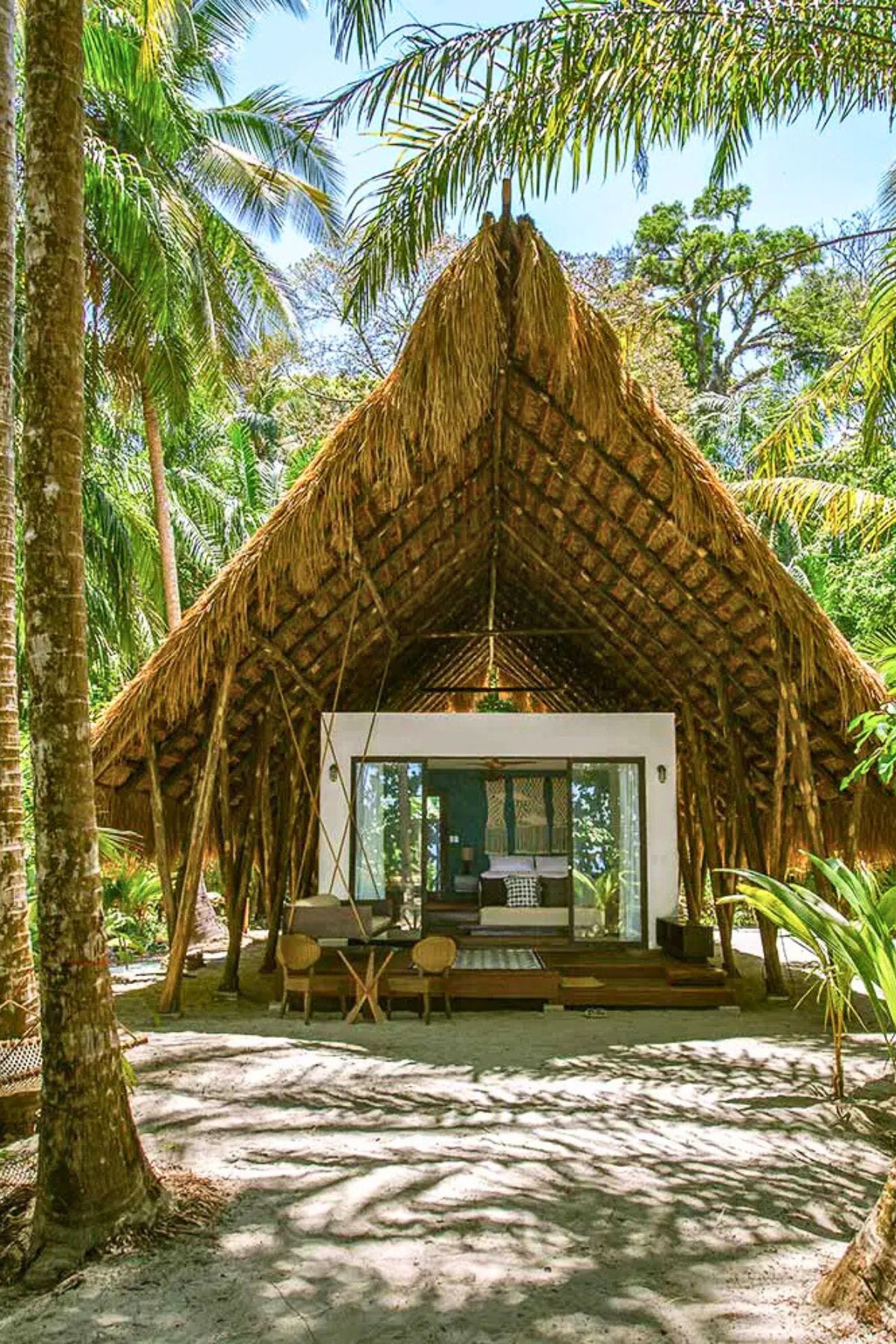
Accommodation varies widely — from classic canvas tented camps with bucket showers to ultra-modern villas with private plunge pools overlooking a waterhole. Luxury on safari is less about thread count and more about guiding quality, exclusivity of land access, and service.
The most important factor? Staying in a private concession or conservancy. This limits vehicle density at sightings and allows off-road driving, meaning you won’t be one of ten Land Rovers lined up around a lion.
11:30 AM – 3:30 PM – Siesta and Camp Life
Safari days are intentionally paced.
The heat rises. Wildlife retreats to shade. Guests relax.
You might:
-
Swim in your private plunge pool
-
Book a spa treatment
-
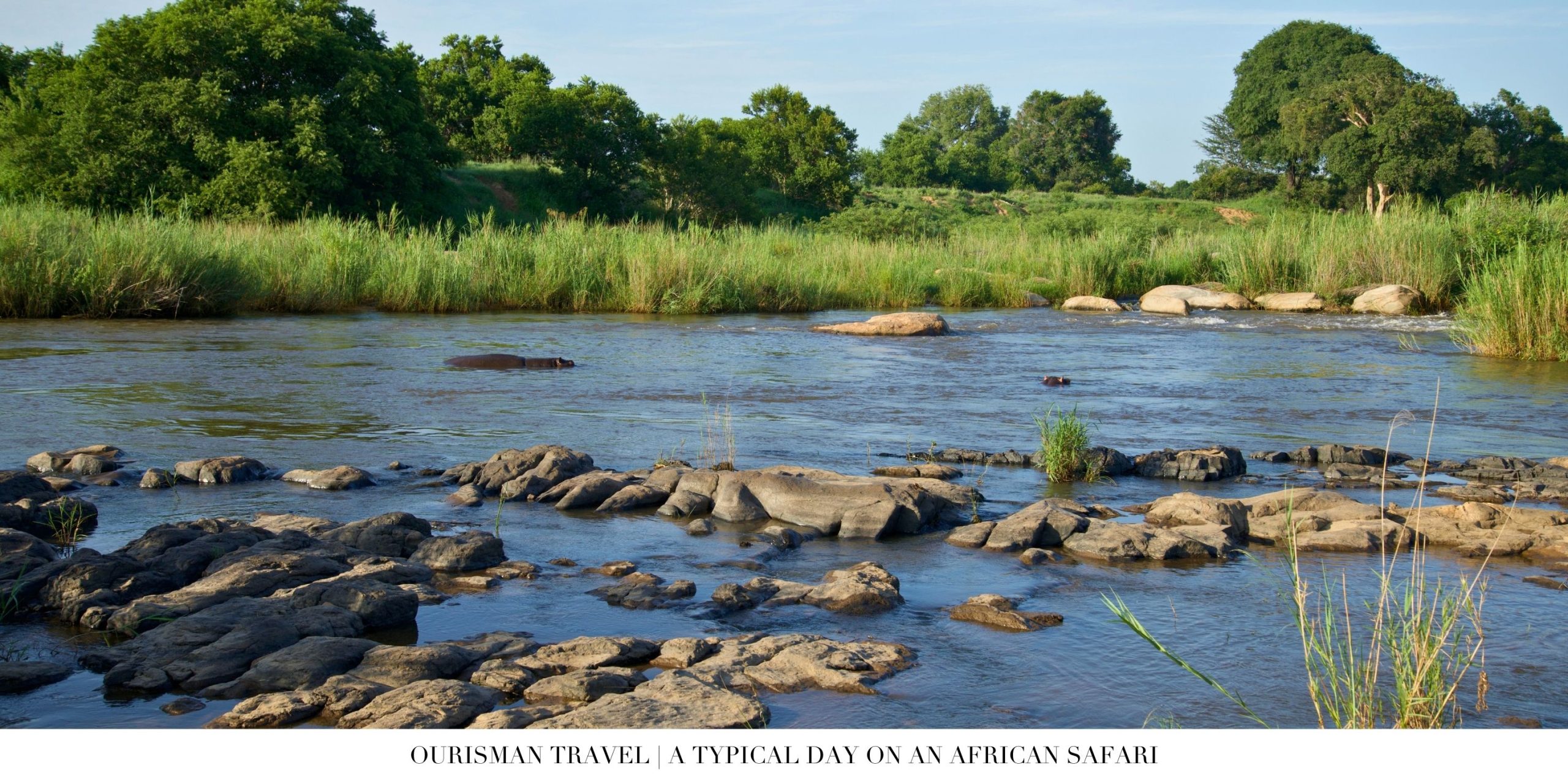
Nap on your deck while listening to distant hippos
-
Read in the main lodge overlooking a river
In Botswana, some camps offer boat safaris during the midday lull. In Kenya, you might visit a local Maasai community. In South Africa, you may join a guided bush walk to learn about tracking and smaller ecosystem details.
Lunch is typically lighter — salads, grilled fish, or simple comfort dishes.
This downtime is essential. It’s when you process what you’ve seen. It’s when safari shifts from exciting to grounding.
4:00 PM – Afternoon Tea
Before heading back out, there is afternoon tea. And it is not minimal.
Expect:
-
Savory bites
-
Cakes and pastries
-
Fresh juices
-
Coffee and tea
Then you’re back in the vehicle as the light softens and turns golden.
4:30–7:30 PM – Afternoon Game Drive & Sundowners
The late afternoon drive is when things get cinematic.
Predators wake up. Elephants head toward water. The sky shifts dramatically. Photographers love this time of day.
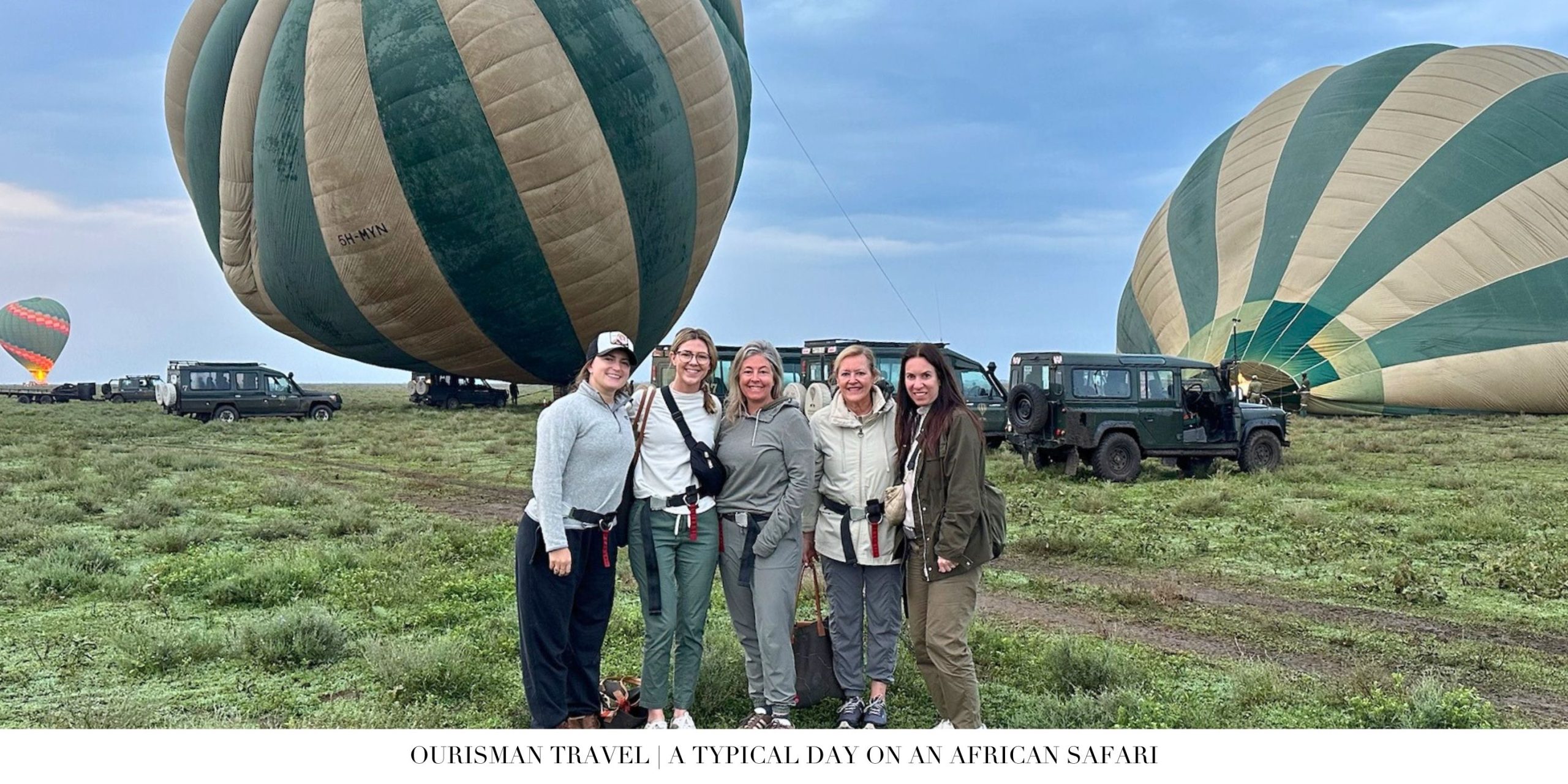
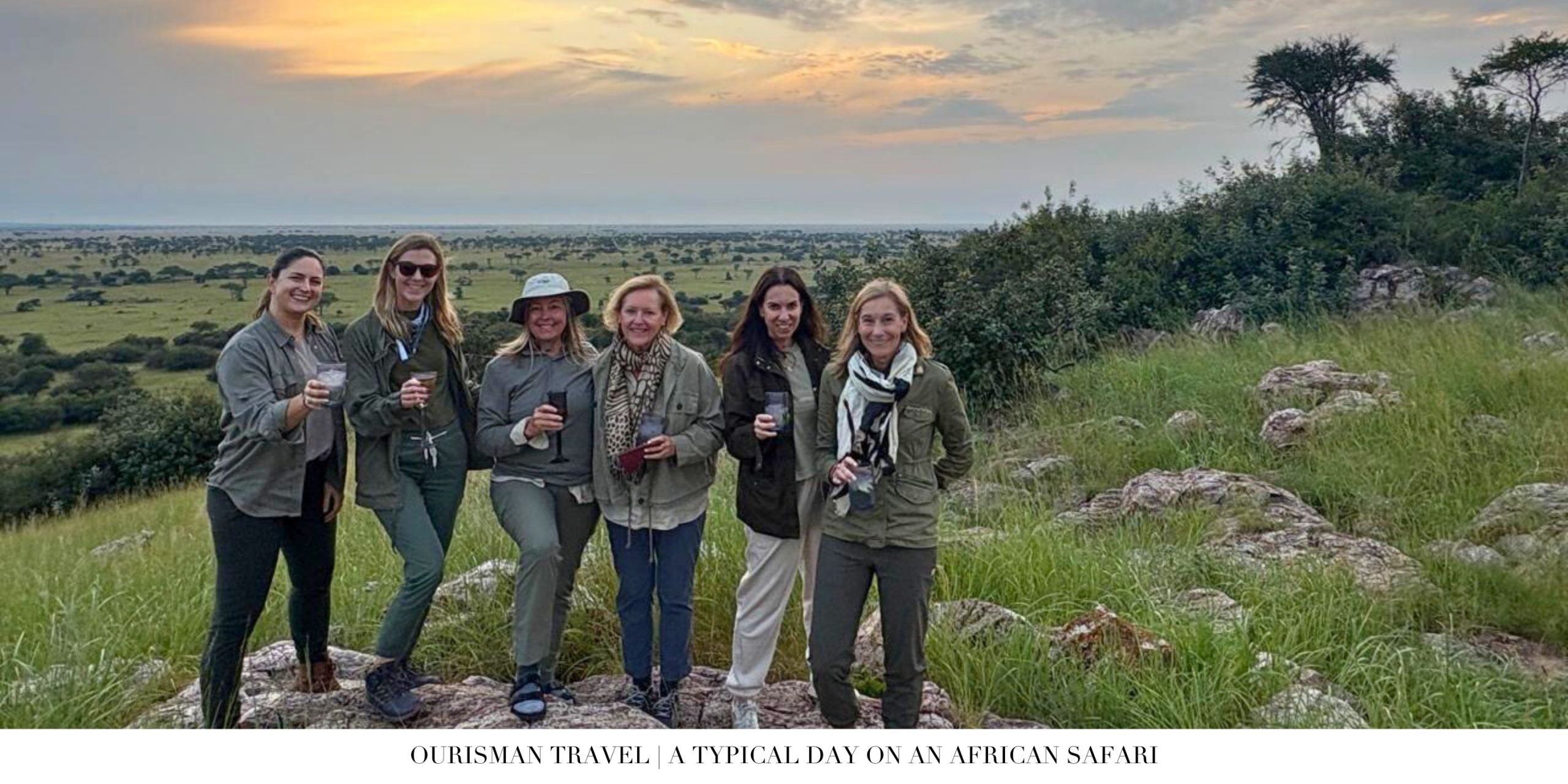
Then comes sundowners — a safari tradition. Your guide finds a scenic overlook and sets up drinks. Gin and tonic is classic. South African wine is common. There are snacks. There is laughter. And there is usually a moment where everyone goes quiet as the sun drops below the horizon.
After sunset, a spotlight comes out for a short night drive back to camp. This is when you may see nocturnal animals — bush babies, civets, perhaps even a leopard on the move.
8:00 PM – Dinner Under the Stars
Dinner might be served:
-
In the main lodge dining room
-
On a candlelit deck
-
Around a traditional boma fire
-
Privately on your suite’s terrace
The meals are generous and thoughtfully prepared. Chefs accommodate dietary restrictions seamlessly. Wine pairings are often excellent, especially in South Africa.
After dinner, you’ll find yourself surprisingly tired. The early start, the fresh air, the constant stimulation — it catches up with you. But it’s a satisfying exhaustion.