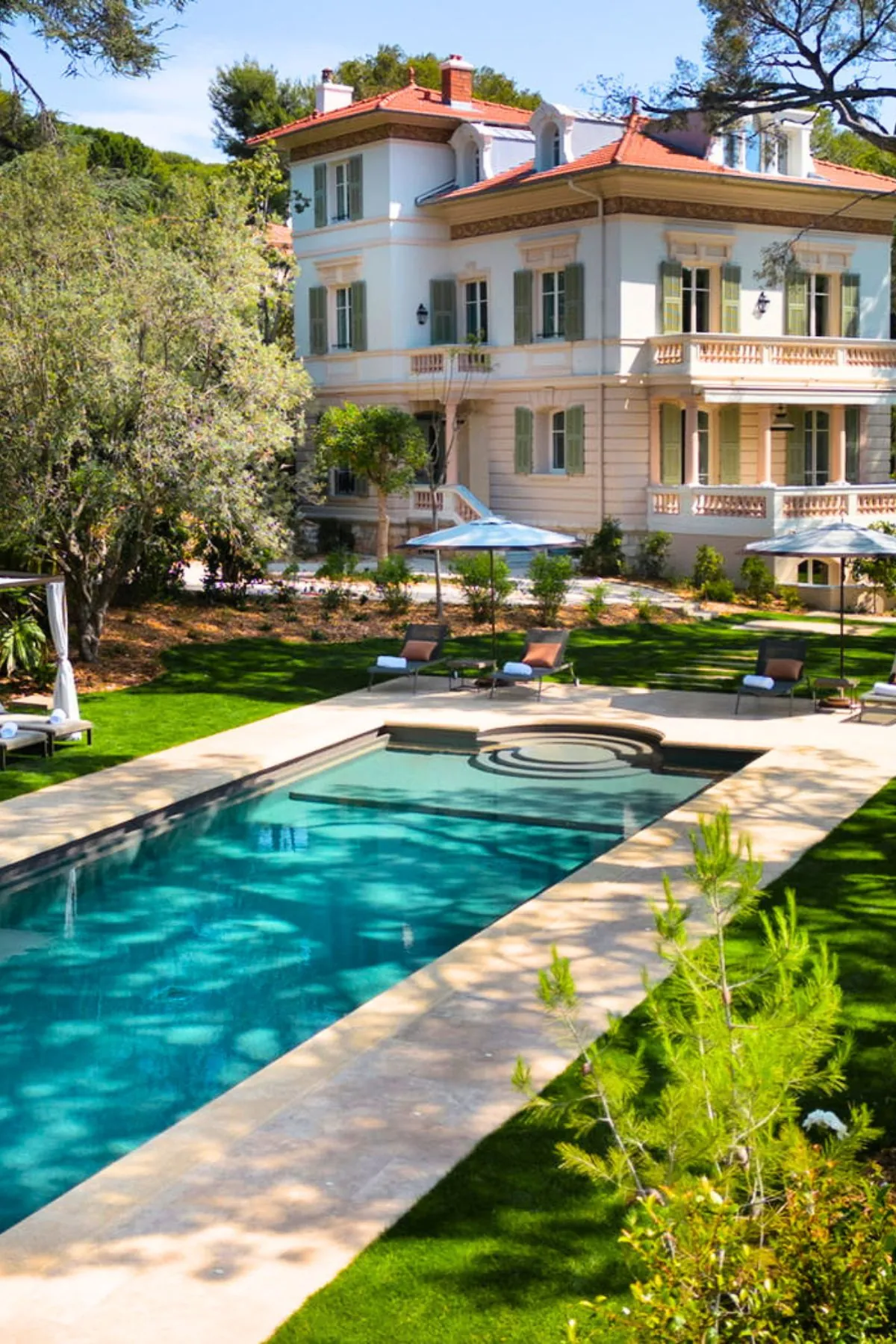


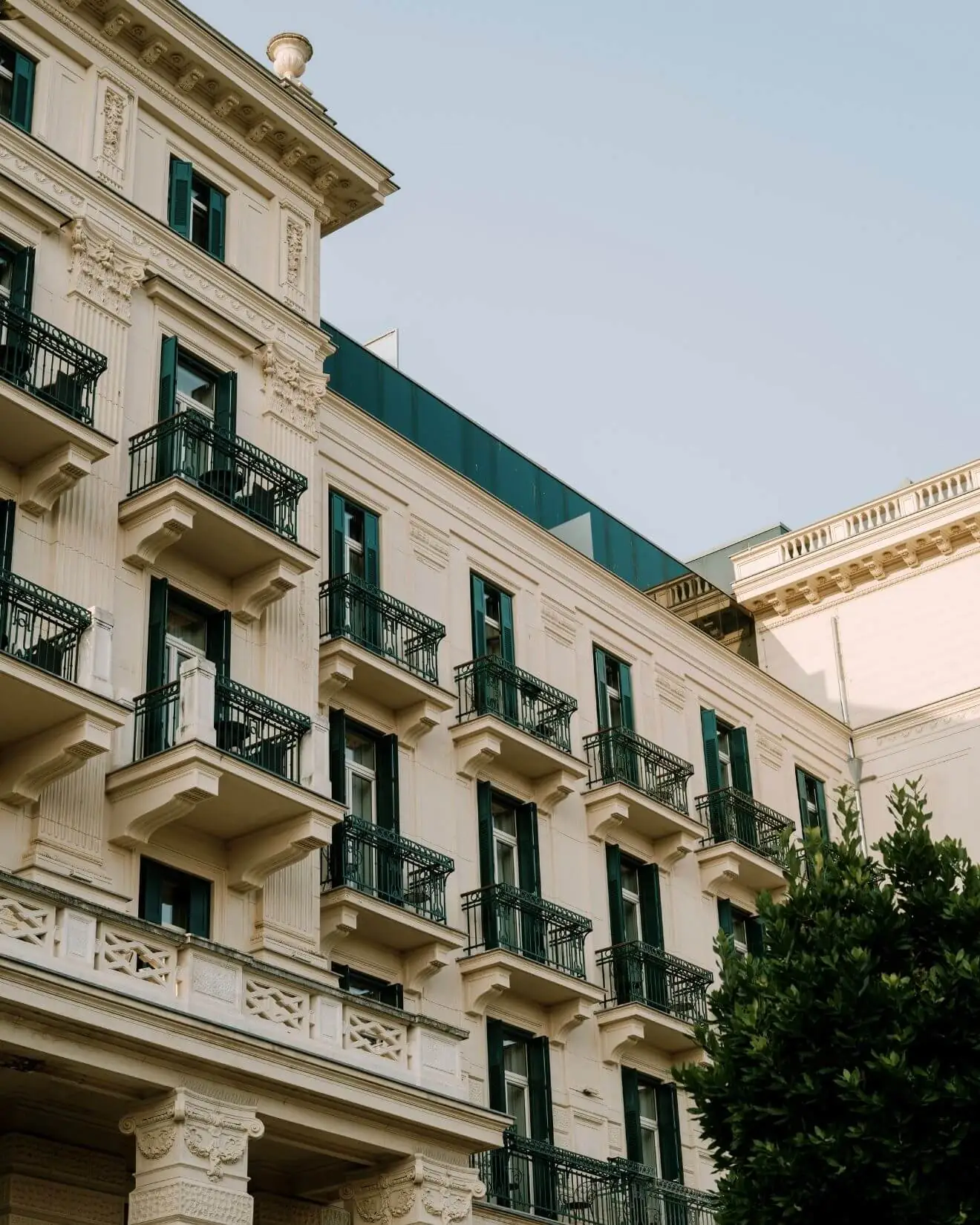

Luxury travel to Spain offers one of the most diverse and rewarding experiences in Europe, where Madrid’s Belle Époque grandeur, Andalucia’s Moorish heritage, Mallorca’s Mediterranean coastline, Basque culinary excellence, and Catalan design all sit within a few hours of each other. Spain is one of our strongest European destinations at Ourisman Travel, and it is also one of the easiest countries in Europe to explore on a single trip, thanks to AVE high-speed rail and short domestic flights. This guide covers where to go in Spain, when to visit, how to structure your itinerary, where to stay, and how we plan fully tailored luxury travel experiences in Spain for our clients.
Quick Take — Where Should You Go in Spain?
Spain is not a one-size-fits-all destination. The best places to visit in Spain depend entirely on the kind of experience you want, whether that is art-filled cities, coastal escapes, food-driven travel, mountain landscapes, or wine-focused itineraries. Most luxury trips to Spain combine two to three regions rather than trying to see everything at once.
Go to Madrid If…
- You want a sophisticated capital city with world-class art museums, including the Prado, Reina Sofía, and Thyssen-Bornemisza
- You want exceptional dining, lively nightlife, and a central hub for exploring the rest of Spain
- You want easy access to day trips like Toledo, Segovia, and the nearby wine country
Go to Barcelona If…
- You want a city that blends culture and beach access
- You are drawn to architecture and design, especially Gaudí’s legacy across the city
- You want a vibrant nightlife scene and a strong Catalan identity
Go to Andalucía (Sevilla, Granada, Córdoba, Ronda) If…
- You want warm weather, slower travel, and a deeply cultural atmosphere
- You are interested in Moorish architecture, such as the Alhambra and the Mezquita
- You want flamenco, tapas culture, and dramatic landscapes across historic cities and white villages
Go to Mallorca If…
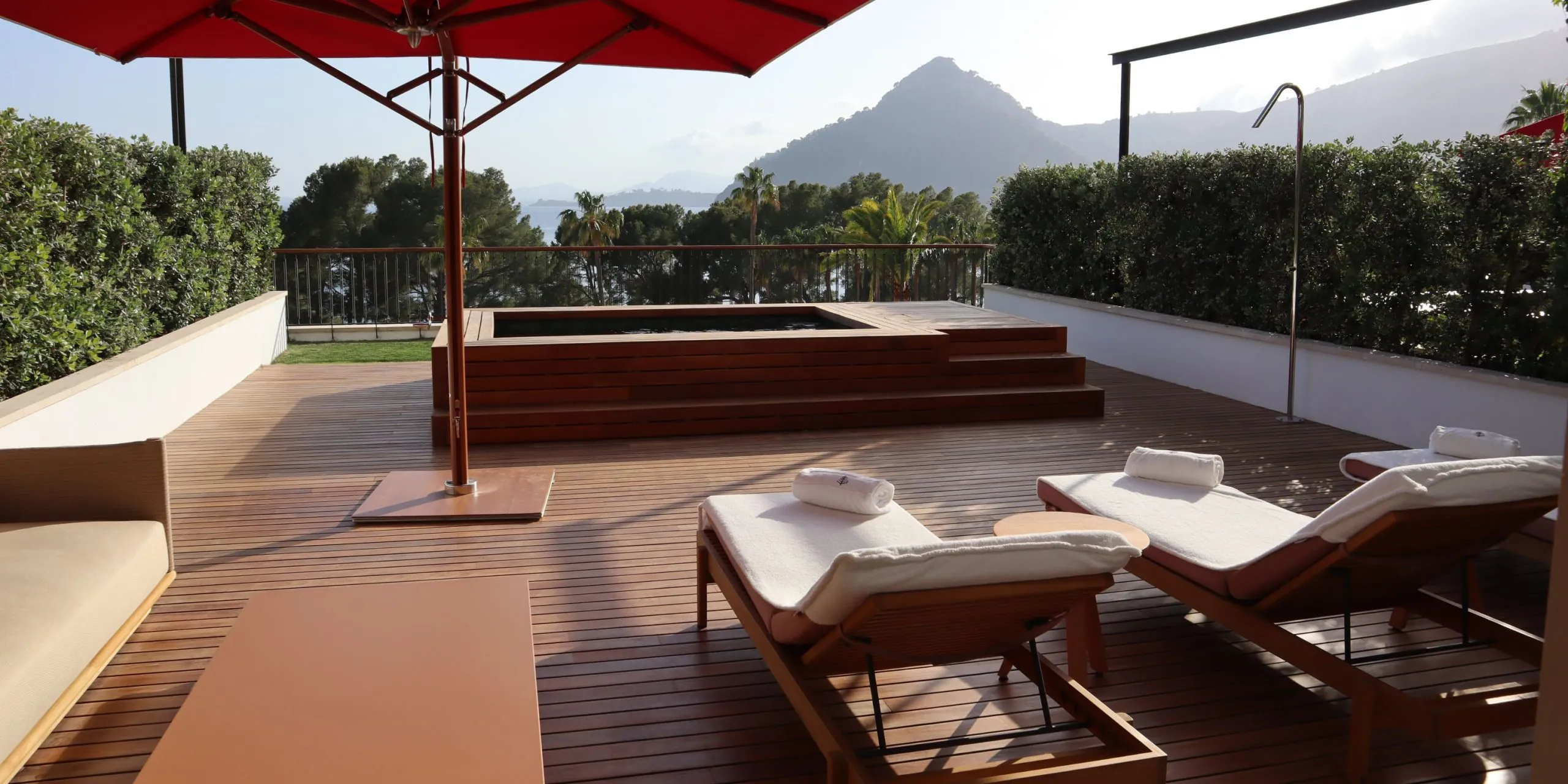
- You want a Mediterranean island escape with both beaches and mountains
- You want a luxury resort stay paired with outdoor activities like hiking, sailing, or cycling
- You want an easy pairing with Madrid or Barcelona in one itinerary
Go to San Sebastian and the Basque Country If…
- You are a serious food traveler looking for Michelin-level dining and iconic pintxos bars
- You want a smaller, refined coastal city with a strong cultural identity
Go to Wine Country (Rioja and Ribera del Duero) If…
- You want a quiet, design-forward wine escape
- You prefer boutique hotels and a slower rural pace surrounded by vineyards
Spain Regions Compared
| Region | Best For | Best Time to Visit | Trip Style | Why Go |
|---|---|---|---|---|
| Madrid | First-time visitors, art lovers, urban luxury | Spring, fall | City base | Golden Triangle museums, refined dining, rail hub |
| Barcelona | Design lovers, beach + city travelers | Spring, fall | City + coast | Gaudí architecture, Mediterranean lifestyle |
| Andalucia | Culture seekers, slow travel | Spring, fall | Multi-city road trip | Moorish heritage, flamenco, and historic cities |
| Mallorca | Beach + mountain luxury | Late spring to early fall | Resort + nature | Coastlines, Serra de Tramuntana, sailing |
| Basque Country | Food-focused travelers | Late spring to fall | Culinary trip | Michelin dining and pintxos culture |
| Wine Country | Wine lovers, slow luxury | Spring, fall | Countryside escape | Rioja and Ribera del Duero vineyards |
How to Get to and Around Spain
Spain is highly accessible from the United States and across Europe, with Madrid and Barcelona serving as the two primary international gateways. Once you arrive, travel between regions is efficient, comfortable, and well-connected by high-speed rail and short flights.
Getting In
Madrid–Barajas (MAD) and Barcelona–El Prat (BCN) are the main international airports for long-haul travel. Many U.S. cities offer nonstop flights to Madrid, making it the most common entry point for luxury itineraries. Mallorca (PMI) is typically reached via a short connection from Madrid or Barcelona.
AVE High-Speed Rail
Spain’s AVE rail network connects major cities quickly and comfortably. Madrid to Sevilla and Madrid to Barcelona both take approximately 2.5 hours. First-class service, known as Preferente or Premium, is the preferred option for luxury travelers and is often more efficient than domestic flights.
Driving Andalucia and Wine Country
A private driver is the most seamless way to explore Andalucia’s cities and white villages, as well as wine regions like Rioja and Ribera del Duero. This allows for flexibility, comfort, and access to smaller towns that are not easily reached by rail.
Madrid — The Sophisticated Capital
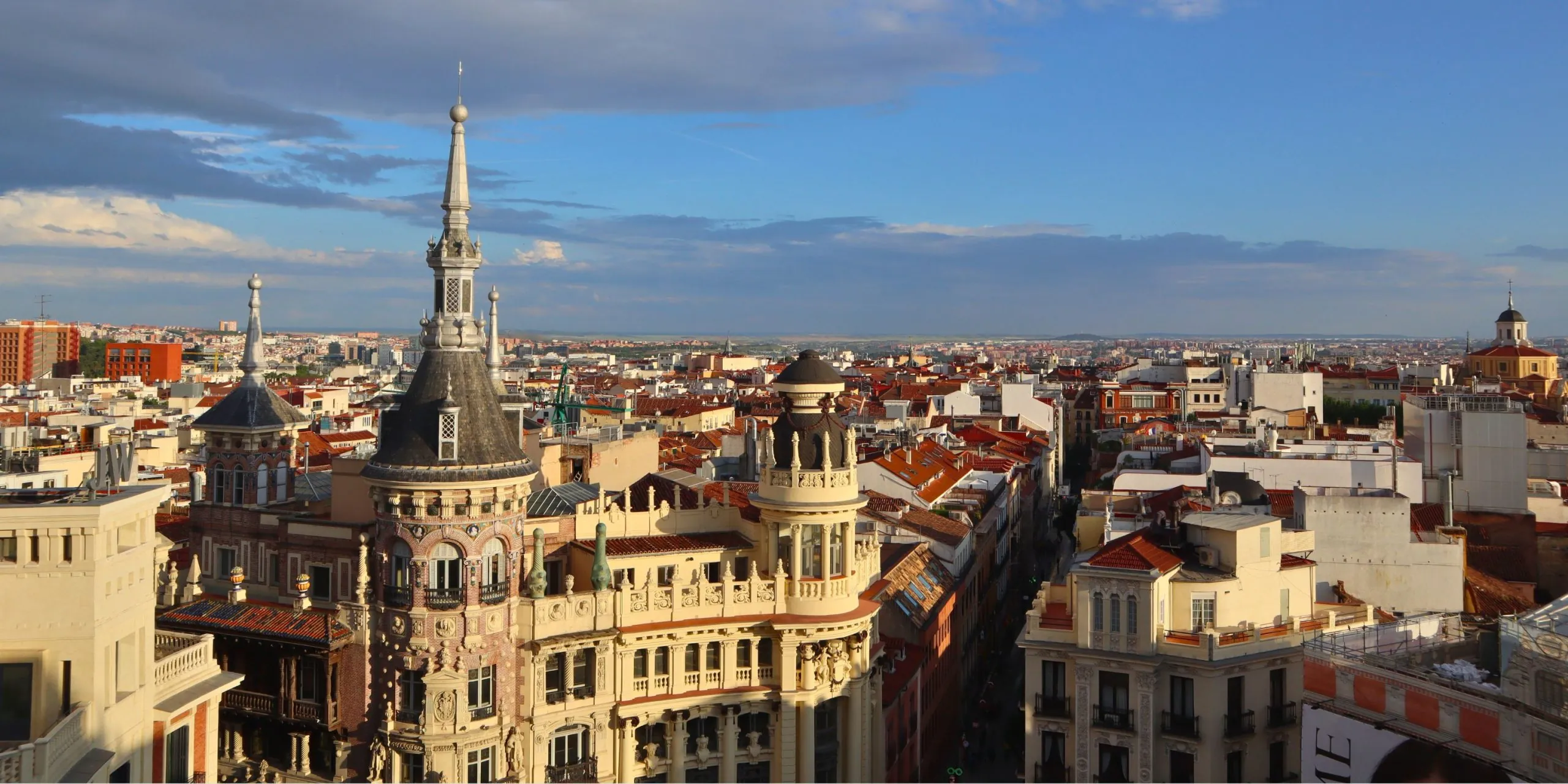
Madrid is the cultural and logistical heart of Spain, combining world-class museums, elegant boulevards, and one of Europe’s strongest dining scenes. It also serves as the primary rail hub, making it an ideal starting point for broader itineraries in Spain.
Why Madrid
Madrid’s Golden Triangle of museums, including the Prado, Reina Sofía, and Thyssen-Bornemisza, anchors its cultural identity. The historic center is highly walkable, with landmarks such as Puerta del Sol, Plaza Mayor, and Gran Vía. Dining ranges from historic institutions to modern Michelin-starred restaurants, and the city offers easy access to day trips in every direction.
Where to Stay in Madrid
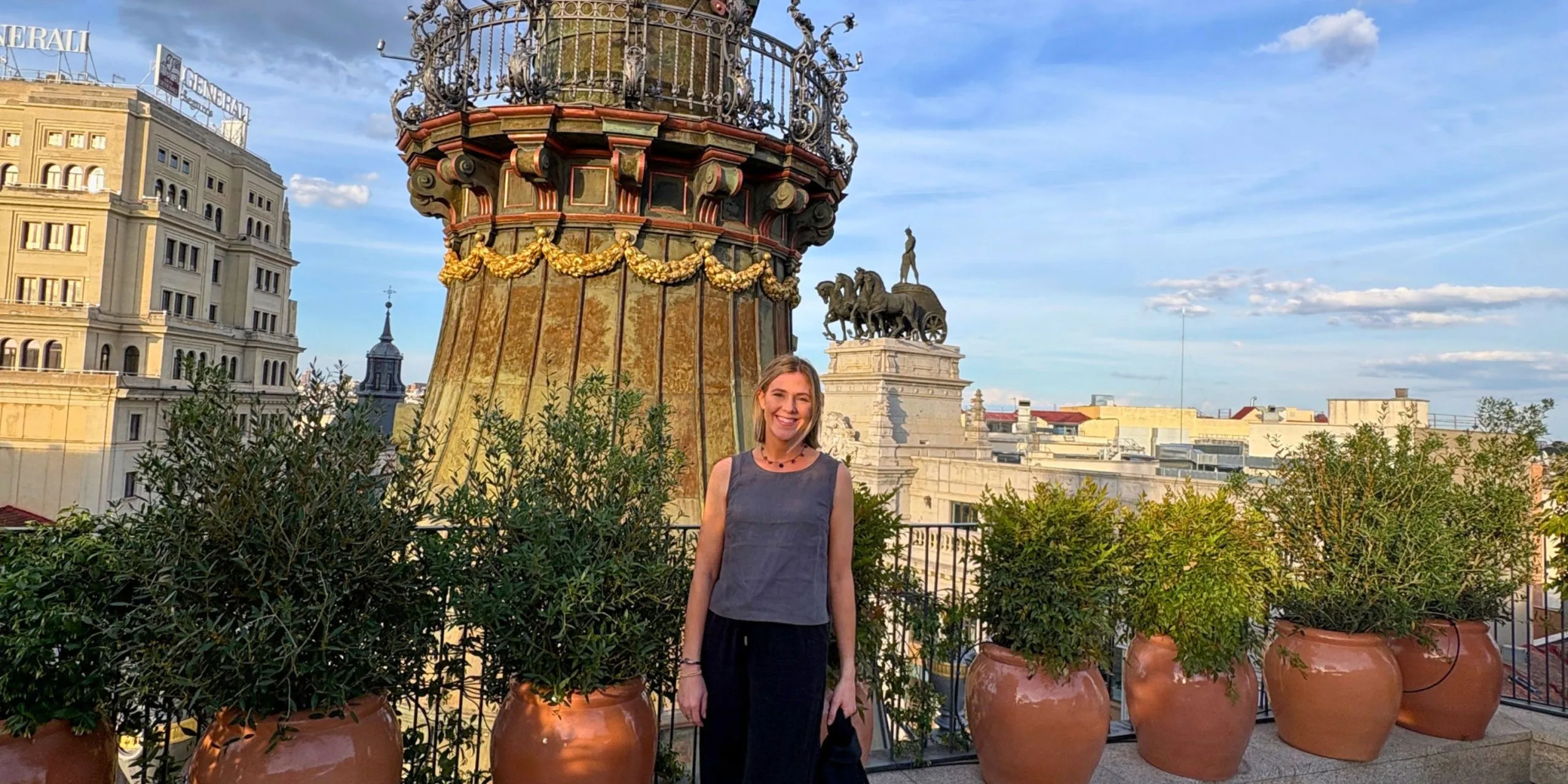
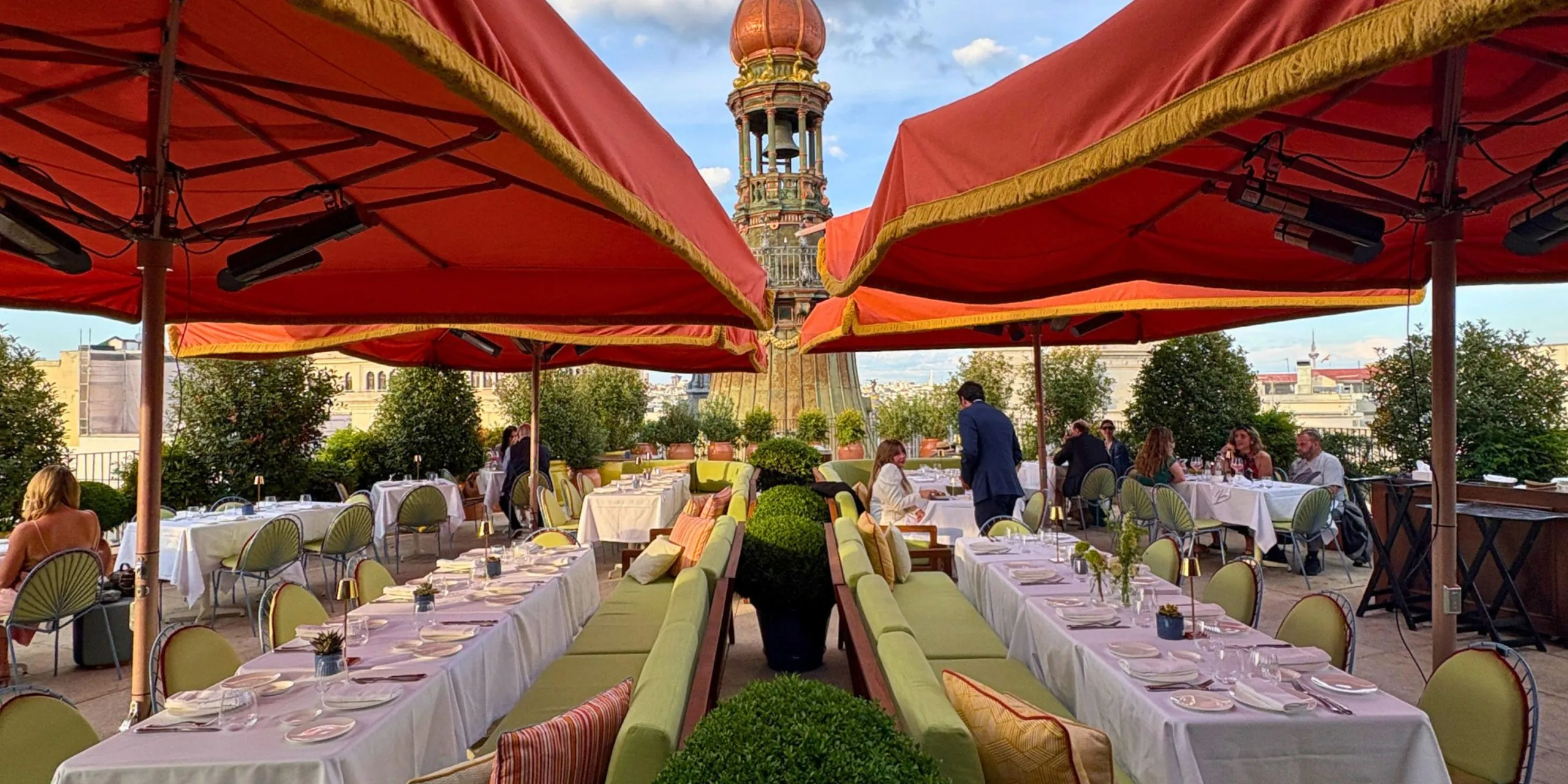
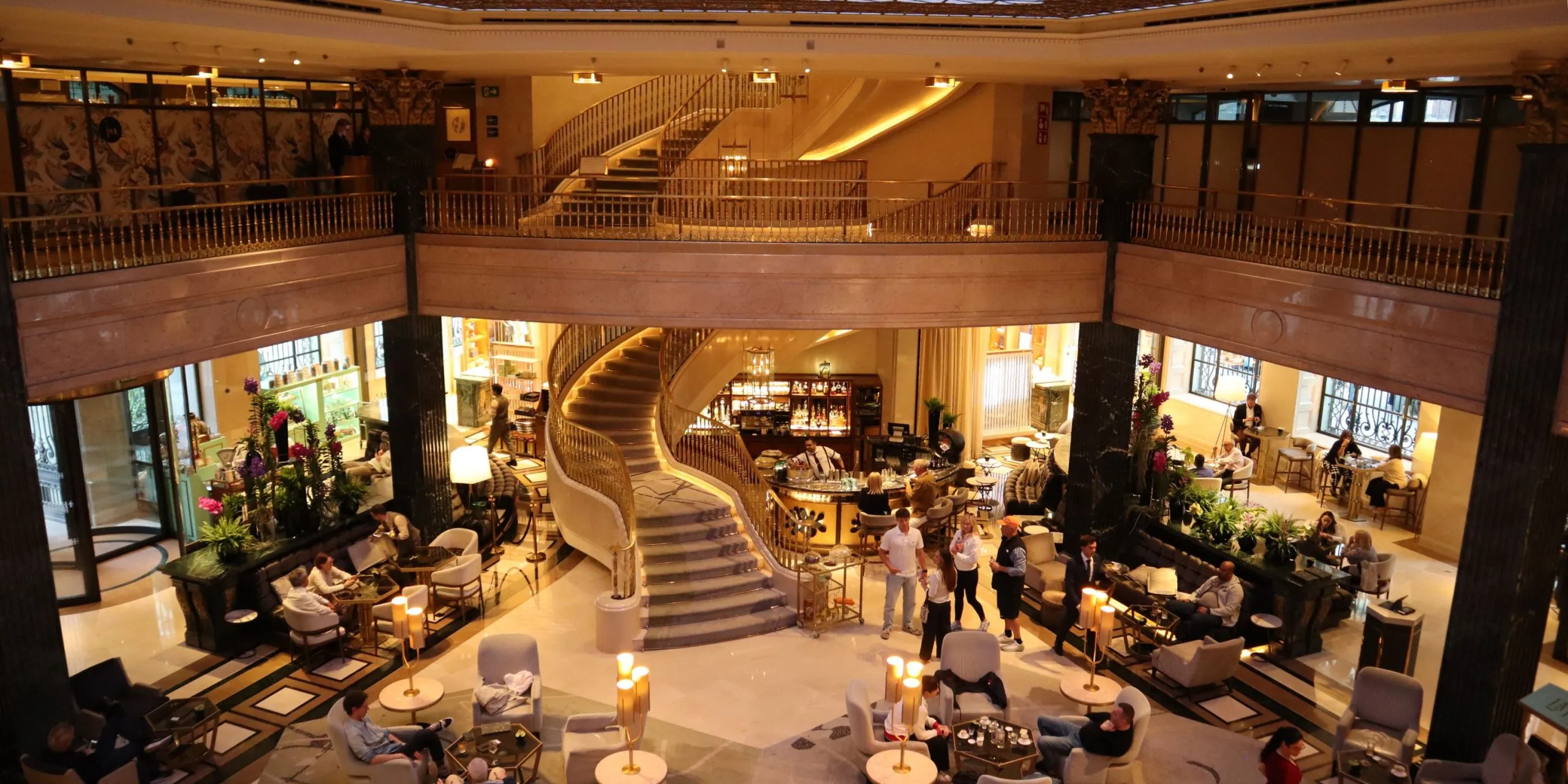
One of our favorite luxury hotels in Madrid is the Four Seasons Hotel Madrid, located in Centro Canalejas. It brings together seven historic buildings, a full wellness center, and elevated dining, making it one of the most complete luxury stays in the city. For a deeper look at the property experience, see our full Four Seasons Madrid review. And, for a full list of vetted properties we recommend in Madrid, visit our “Map Your Hotel” tool.
Barcelona — Design, Coast, and Culture
Barcelona offers a distinctly different rhythm from Madrid, blending coastal living with bold architectural identity. It is more relaxed, more design-focused, and strongly shaped by Catalan culture.
Why Barcelona
Barcelona is defined by Antoni Gaudí’s architectural legacy, including the Sagrada Família, Casa Batlló, and Park Güell. The Gothic Quarter and El Born offer historic charm, while the Eixample district showcases modernist design. Unlike most major European cities, Barcelona also offers direct access to beaches within the urban core.
Barcelona is also an ideal base for exploring the Costa Brava or nearby wine regions such as Penedès and Priorat.
Where to Stay in Barcelona
Barcelona offers a strong selection of luxury hotels, including waterfront and design-driven properties. We can help find the best hotel for your travel goals.
Andalucia — Sevilla, Granada, Cordoba, Ronda
Andalucia is Spain’s most culturally distinct region, where Moorish architecture, flamenco traditions, and historic cities create a completely different travel experience from the north. It is one of the best regions in Spain for a multi-city road trip.
Sevilla
Sevilla is known for its warm climate, walkable old town, and iconic landmarks such as the Real Alcázar. Flamenco performances and tapas culture are central to the experience, especially in the evenings.
Granada
Granada is home to the Alhambra, one of the most significant Moorish palace complexes in Europe. The Albaicín neighborhood offers atmospheric streets and historic viewpoints, and the city maintains its tradition of complimentary tapas with drinks.
Cordoba
Cordoba is centered around the Mezquita-Cathedral, a rare architectural blend of mosque and cathedral. It is often visited as a shorter stop between Sevilla and Granada.
Ronda
Ronda is a dramatic hilltop town known for its gorge-spanning bridge and historic bullring. It also serves as a gateway to the white villages of Andalucia.
Andalucia Road Trip Structure
A classic luxury route includes Sevilla, Córdoba, Granada, and Ronda, often extended to Málaga for a coastal finish or as a departure point. A private driver is the most efficient and comfortable way to experience the region.
Mallorca — Mediterranean Beach and Mountain Luxury
Mallorca offers one of the most balanced luxury escapes in Spain, combining turquoise coves, mountain landscapes, and refined resort experiences. It is especially popular as a second stop after Madrid or Barcelona.
Why Mallorca
The Serra de Tramuntana mountains provide hiking and cycling routes with dramatic coastal views. The island’s beaches range from secluded coves to long sandy stretches, and Palma offers a walkable historic center with excellent dining.
Where to Stay in Mallorca
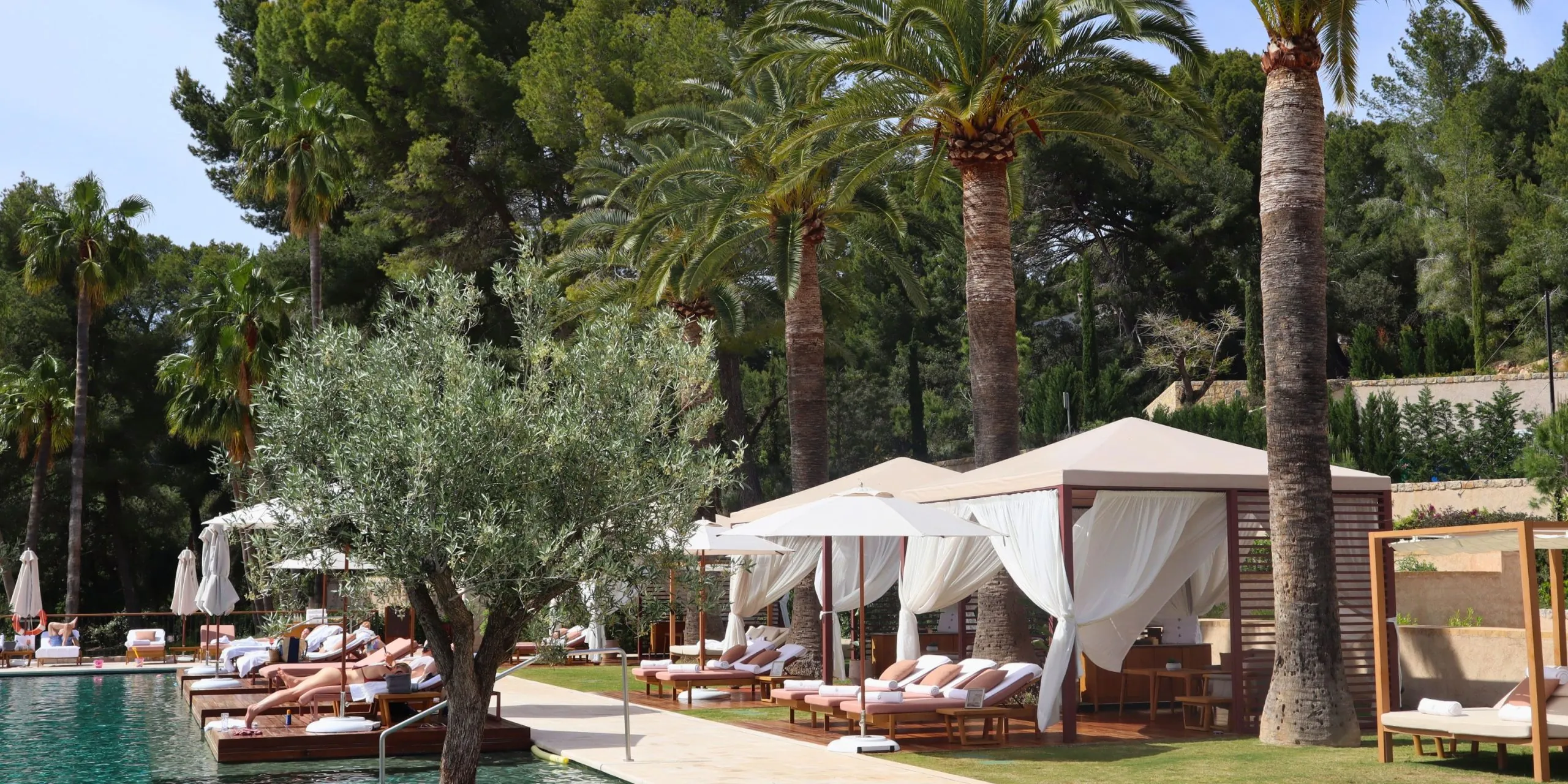
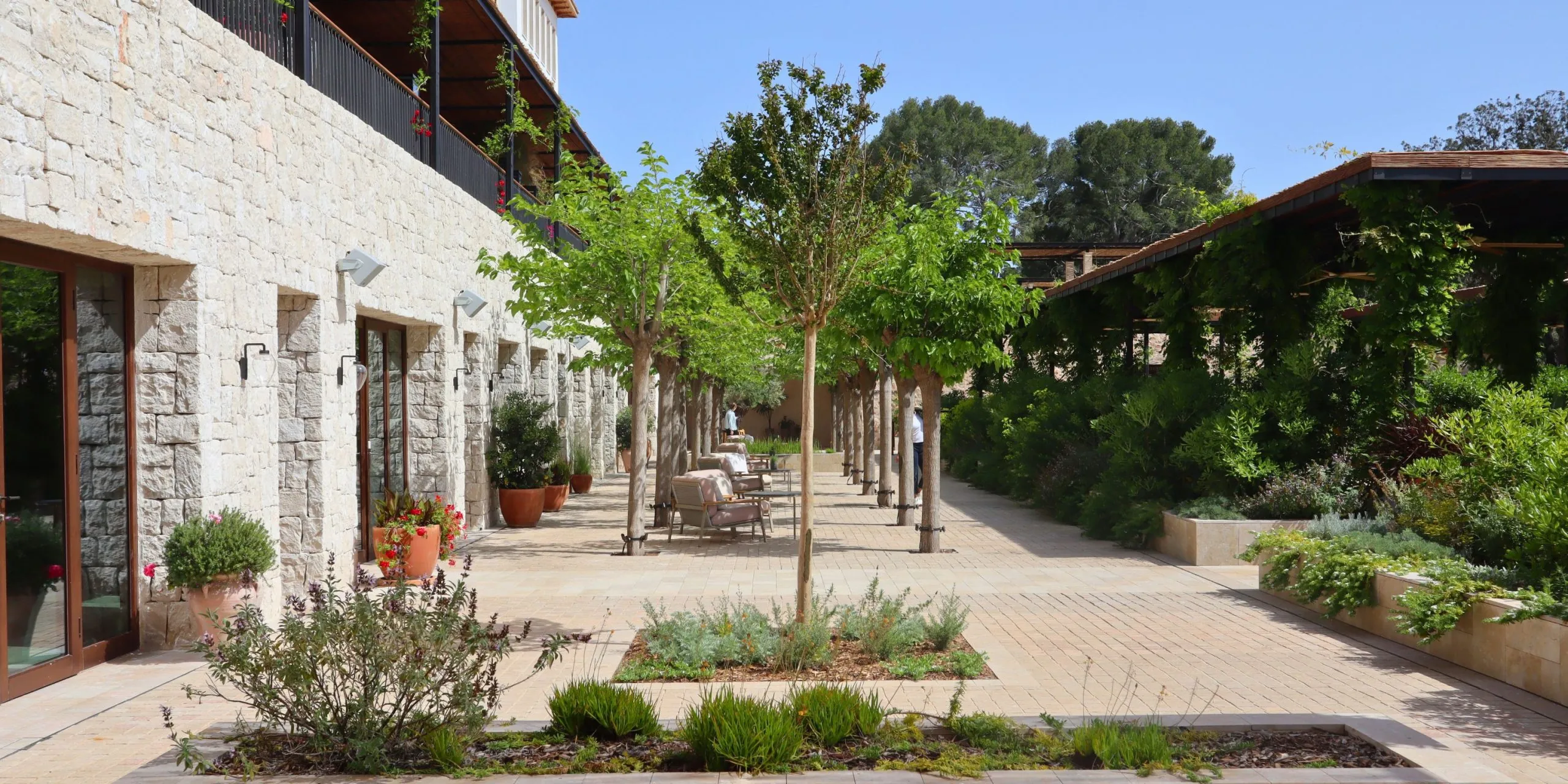
One of the leading luxury resorts is Four Seasons Resort Mallorca at Formentor, set on a historic estate overlooking the northern coast. It features private beach access, extensive grounds, and a full wellness program. For a full breakdown of the property experience, see our Four Seasons Mallorca review.
Other luxury hotel options include Belmond La Residencia, Cap Rocat, Jumeirah Mallorca, and Mandarin Oriental. Use our complimentary booking tool to book your stay at one of these luxury properties.

San Sebastian and the Basque Country
San Sebastian is one of Europe’s premier food destinations, with one of the highest concentrations of Michelin-starred restaurants per capita in the world. The city blends culinary excellence with a refined coastal setting.
San Sebastian
San Sebastián is home to world-renowned restaurants such as Arzak and Akelarre, as well as the traditional pintxos culture of the Old Town. La Concha beach adds a scenic coastal element rarely found in a city of this culinary caliber.
Bilbao
Bilbao has evolved into a cultural hub anchored by the Guggenheim Museum, designed by Frank Gehry. It is often paired with San Sebastian for a broader Basque itinerary.
Spanish Wine Country
Spain’s wine regions remain one of Europe’s most underrated luxury travel experiences. Rioja and Ribera del Duero both offer world-class wine, striking architecture, and boutique accommodations within reach of Madrid.
La Rioja
La Rioja is Spain’s most famous wine region, known for both historic wineries and contemporary architecture, including designs by Frank Gehry and Santiago Calatrava. It also offers some of the country’s most distinctive vineyard hotels.
Ribera del Duero
Ribera del Duero is quieter and more rural, producing bold red wines and offering a more intimate wine country experience. It is easily accessible from Madrid for short stays or extended tastings.
Food, Wine, and the Spanish Table
Spain is one of Europe’s most important culinary destinations, shaped by regional diversity and a strong cultural rhythm around meals. Dining is social, unhurried, and deeply tied to local identity.
Key highlights include tapas culture, Iberian jamón from acorn-fed pigs, regional specialties such as paella in Valencia, pintxos in San Sebastián, and gazpacho in Andalucía. Olive oil is a staple across the country, often replacing butter entirely, and wine is part of daily life rather than a special occasion. Meals are typically later than most travelers expect, with long lunches and late dinners as standard.
When to Visit Spain
Spain is a year-round destination, but each region performs differently depending on the season.
Spring (April to June)
Spring is one of the best overall times to visit Spain, with comfortable temperatures and cultural events across the country. Andalucia’s festivals, including Semana Santa and Feria de Abril in Sevilla, are especially notable.
Summer (July to August)
Summer is hot in inland cities like Madrid and Sevilla, often exceeding 100°F. Coastal regions such as Mallorca and San Sebastian are at their busiest and most expensive.
Fall (September to October)
Fall is one of the strongest travel windows across Spain, with mild weather, fewer crowds, and the harvest season in wine regions.
Winter (November to March)
Winter is mild in Andalucia and quieter across the country. Madrid and Barcelona remain active with holiday markets and seasonal events, while many beach resorts reduce operations.
Suggested Spain Itineraries
Long Weekend in Madrid (3–4 Nights)
Focus on Madrid’s museums, historic neighborhoods, and dining scene, with an optional day trip to Toledo or Segovia.
One-Week Spain Sampler
Madrid (3 nights) and Sevilla (2 nights) with an extension to Granada (2 nights), connected by AVE rail and private transfers.
Madrid + Mallorca Combo (7–10 Nights)
Madrid (3–4 nights) followed by Mallorca (4–5 nights), combining city culture with Mediterranean relaxation.
Andalucia Road Trip (10–12 Nights)
Sevilla, Cordoba, Granada, Ronda, and Málaga, ideally with a private driver for flexibility and comfort.
Foodie Spain (7–10 Nights)
Madrid and San Sebastian, often extended to Bilbao or Rioja for Michelin dining and wine experiences.
Barcelona + Catalan Coast (5–7 Nights)
Barcelona paired with Costa Brava or nearby wine country for a mix of design, coast, and gastronomy.
Spain Luxury Travel FAQs
When is the best time to visit Spain?
Spring and fall are the strongest overall seasons. Andalucia works year-round, while Mallorca is best from late spring through early fall.
How many days do I need in Spain?
Seven days is enough for one or two regions. Ten to twelve days allow for a more complete itinerary that combines cities, culture, and coastal or wine extensions.
Should I visit Madrid or Barcelona?
Madrid is the cultural and political capital with major museums and central rail access. Barcelona is more coastal, design-driven, and distinctly Catalan. Many travelers visit both.
What is the best way to get around Spain?
High-speed AVE trains connect major cities efficiently. Private drivers are ideal for Andalucia and the wine regions. Mallorca requires a short flight.
What is the best luxury hotel in Madrid?
Four Seasons Hotel Madrid is the leading luxury option, offering a central location, wellness facilities, and elevated dining.
What is the best luxury resort in Mallorca?
Four Seasons Resort Mallorca at Formentor is the top choice for a resort-style stay on the island.
What is Andalucia known for?
Andalucia is known for Moorish architecture, flamenco traditions, tapas culture, and warm year-round weather.
Is San Sebastian worth visiting?
Yes. It is one of Europe’s top food cities with exceptional Michelin dining and a historic pintxos culture.
What is the best Spanish wine region for a luxury trip?
Rioja is the most established luxury wine region, while Ribera del Duero offers a quieter, more rural alternative.
Why book a trip to Spain through Ourisman Travel?
Ourisman Travel provides preferred hotel benefits, private guides, curated itineraries, and full logistical support across Spain.
How Ourisman Travel Plans Luxury Spain Trips
If Spain is on your mind, or if this recap inspires you to plan a trip, we would love to help. Whether you need help picking the perfect hotel or crafting a full custom itinerary, we’re here for you. Our Tailored Luxury service is designed with bucket list travelers in mind, because you only have one chance to get it right.
We’ll help with:
- Lodging that fits your style (and gets you perks)
- Activities that match your pace and passions
- All the logistics—flights, transfers, trains, etc.
- Special touches that make your trip unforgettable
We can also help with:
- Private guided tours of major museums and landmarks
- Private drivers for Andalucia and wine country itineraries
- Priority restaurant reservations in high-demand cities
- First-class AVE rail bookings
- Domestic flight coordination, including Mallorca connections
- Pre-arrival planning and itinerary curation
We also work with trusted local guides and on-site partners in Italy who provide access to private experiences. Our approach is collaborative. We convey your preferences to our trusted partners and sprinkle a touch of extra magic throughout your trip. With our respected name working behind the scenes, you gain access and status that go beyond anything an internet search or AI itinerary can deliver. And thanks to our “little black book” of elite contacts, we’re able to prioritize you during your trip, opening doors to unforgettable moments.
Have you already done the research yourself? No problem! We can add complimentary perks to your reservation through our Hotel Only service. Through our preferred partnerships (including Belmond Belinni Club, Leading Hotels of the World, Four Seasons Preferred Partner, Hyatt Privé, and more), our clients receive:
- Daily breakfast for two
- Priority room upgrades (often confirmed early)
- Resort credits
- VIP status
- Personalized planning based on firsthand experience
- On-island logistics through trusted partners
- Support from the moment you book until you return home
We know Spain from multiple angles: coastal glamour, creative inland stays, and modern resorts, and we would be thrilled to craft a personalized route that matches your travel style.
Ready to start planning? To get started, reach out to [email protected] or submit a Travel Request Form.